Anglian Water Hosepipe Ban 2026: Restrictions, Exemptions and Business Rules

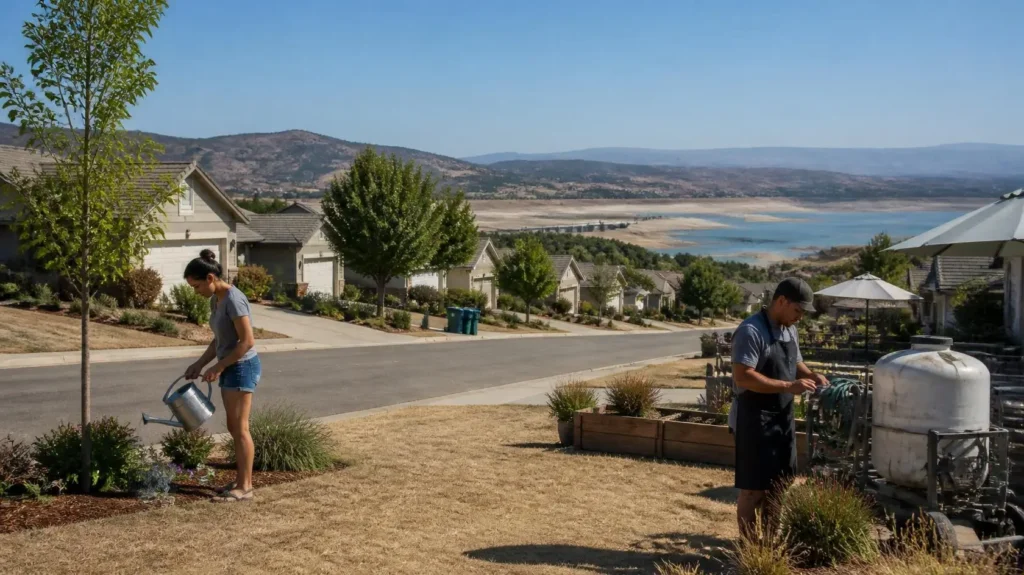
The Anglian Water hosepipe ban 2026 is now in force after prolonged hot, dry weather increased pressure on water supplies across eastern England. The restrictions took effect at 1.01am on Saturday 11 July 2026 and will remain until lifted.
The Temporary Use Ban restricts certain domestic and non-commercial uses of hosepipes, sprinklers and pressure washers, including watering gardens, washing private vehicles and filling pools.
Some genuine business activities are exempt, but a business address or commercial vehicle does not automatically make every use lawful.
Key highlights:
- The restrictions became enforceable at 1.01am on 11 July 2026.
- They apply across the Anglian Water region except its Hartlepool area.
- Hosepipes cannot generally be used for specified domestic activities.
- Buckets and watering cans can still be used for many tasks.
- Health, safety, animal-welfare and accessibility exceptions may apply.
- Genuine business and commercial activities are listed among the exceptions.
- A breach of an applicable restriction can lead to a fine of up to £1,000.
- There is no confirmed end date; only a formal announcement will lift the ban.
Customers and businesses should check the current official wording before carrying out any water-intensive activity.
What Is the Latest Update on Anglian Water Hosepipe Ban 2026?

The latest Anglian Water hosepipe ban 2026 update is that the Temporary Use Ban is legally enforceable from 1.01am on Saturday 11 July. The company initially asked customers to follow the restrictions immediately before formal enforcement began.
Current position:
- Status: Active and enforceable
- Restriction type: Temporary Use Ban
- Start date: 11 July 2026
- Start time: 1.01am
- Coverage: The regional supply area, except Hartlepool
- End date: Not yet confirmed
- Maximum fine: Up to £1,000 for an applicable breach
A Temporary Use Ban does not end simply because rain falls or temperatures decline for a few days. Restrictions are based on wider demand and water-resource conditions and continue until the supplier formally announces their withdrawal.
Why Has Anglian Water Introduced the Ban and Which Areas Are Affected?
The restrictions were introduced after a dry spring, repeated periods of very hot weather and increased demand for treated drinking water.
Government reporting updated on 10 July said hot weather had driven high demand and that the Norfolk, Norwich and the Broads, and Fenland water-resource zones had moved to drought response level one. The latest regional drought status report also recorded prolonged dry weather in several East Anglian catchments.
Dr Geoff Darch, head of strategic asset planning, described the operational pressure by saying:
“Every day of sustained hot weather increases the challenge of balancing supply and demand.”
The ban covers customers across the company’s broad eastern and central England supply region, including locations in Norfolk, Suffolk, Cambridgeshire, Lincolnshire, Northamptonshire and surrounding areas.
Water-company boundaries do not precisely follow county boundaries, so a household or business in the UK should confirm its supplier from its water bill rather than relying solely on its county or postcode district.
The purpose is to reduce avoidable peak demand, maintain reliable drinking-water supplies and limit further environmental pressure. It does not mean that ordinary indoor water use has been prohibited or that taps are expected to run dry.
Which Activities Are Restricted Under the Anglian Water Hosepipe Ban?
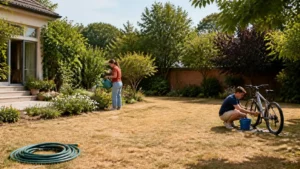
The ban restricts specified uses of water supplied through a hosepipe or similar equipment. The statutory list of restricted activities establishes the legal categories that a water company may prohibit during a Temporary Use Ban.
What Household and Garden Uses Are Prohibited?
Customers must not generally use a hosepipe, sprinkler, seep hose or automatic irrigation system to:
- Water private gardens, lawns, flower beds or domestic plants.
- Fill or maintain domestic swimming pools, paddling pools, ornamental fountains or certain ponds.
Limited exceptions may apply where water is needed for animal welfare, aquatic life, health or safety.
A garden can still usually be watered with a bucket or watering can filled directly from a tap, as the restriction applies to the use of hosepipes rather than all watering methods.
Vehicle, Building and Outdoor Cleaning Restrictions
A hosepipe must not generally be used to clean a private motor vehicle, private leisure boat, domestic windows, exterior walls, patios, paths or artificial outdoor surfaces.
Cleaning required for health or safety may be treated differently. For example, only the windscreen, lights, mirrors and number plate of a vehicle may need cleaning to keep it safe and roadworthy.
Commercial vehicle-cleaning services can fall within a business exception, but an employee washing a personal car at work would not necessarily become exempt simply because the hosepipe belongs to a business.
Do Pressure Washers, Sprinklers and Connected Systems Count?
A pressure washer does not automatically avoid the rules. The legislation can cover equipment designed, adapted or used for the same purpose as a hosepipe.
This may include mains-connected pressure washers, sprinklers, irrigation systems, water-fed cleaning equipment and similar devices. Water taken from a water butt or another non-mains source is treated differently, provided it is used safely and does not involve mains water being transferred into the system.
What Are the Anglian Water Hosepipe Ban Exemptions?
Anglian Water hosepipe ban exemptions cover defined activities rather than offering unrestricted permission to selected groups. Customers should review the current restrictions and exceptions guidance before relying on an exemption.
Main exemption categories:
| Exemption category | Examples | Important condition |
| Health and safety | Removing a hazard or meeting hygiene requirements | Use should be necessary and proportionate |
| Animal welfare | Caring for pets, livestock, fish or aquatic animals | The purpose must genuinely protect welfare |
| Business activity | Commercial car washing or another genuine paid service | Private use does not become exempt at business premises |
| Non-mains water | Water collected in a water butt | It must not be replenished using mains water |
| New planting | Newly laid turf or newly planted material | Published time limits and conditions may apply |
| Accessibility needs | Use linked to a health condition, disability or support need | A published concession or reasonable-adjustment rule must apply |
| Legal obligations | Cleaning or water use required by another law | Businesses should retain supporting evidence |
Exemptions should be interpreted according to their purpose and conditions. They are not loopholes, and customers are still encouraged to use the minimum water reasonably necessary.
How Do the Anglian Water Hosepipe Ban Rules Apply to Businesses?

The current Temporary Use Ban mainly targets specified domestic and non-commercial uses. Business and commercial activities are listed among the exceptions, but commercial status is not a universal exemption.
Commercial Activities Most Likely to Qualify
A professional car wash, mobile valeting service, commercial window cleaner or another water-dependent operator may continue using a hosepipe where the activity is genuinely part of the service it sells.
Agricultural, horticultural, construction, animal-care and property-maintenance activities may also involve permitted water use, particularly where it protects health, safety, animal welfare, commercial crops or legal compliance.
Household and business comparison:
| Activity | Likely treatment | What matters most |
| Washing a private family car | Normally restricted with a hosepipe | Private purpose |
| Operating a professional car wash | May qualify as commercial activity | Genuine paid service |
| Cleaning a delivery van | May be permitted for business or safety reasons | Vehicle use and cleaning purpose |
| Watering an office lawn | May remain restricted | Cosmetic rather than operational use |
| Maintaining nursery stock | May qualify as commercial cultivation | Plants grown for sale or commercial use |
| Professional window cleaning | May qualify as a commercial service | Nature of the job and current conditions |
| Filling a hotel leisure pool | Not automatically exempt | Recreational use and official rules |
| Dust suppression on a worksite | May be justified by safety requirements | Necessity and legal duties |
The table is a practical interpretation rather than a substitute for the legal notice or individual guidance.
When Can a Business Still Breach the Rules?
A business may breach the restrictions where commercial language is used to disguise an essentially private activity. Examples include washing an employee’s personal car, watering decorative office landscaping or filling a staff paddling pool.
A home-based business must also distinguish between genuine commercial activity and ordinary household use. Companies relying on an exception should retain invoices, bookings, job sheets, risk assessments or written guidance showing why the water was used.
What Do the Restrictions Mean for Water-Dependent Small Businesses?
Most water-dependent businesses can continue operating where their activity falls within a genuine commercial exception. However, they may face customer questions, reputational scrutiny and the possibility of stricter restrictions if dry conditions continue.
Businesses most likely to be affected:
- Mobile vehicle valeters and commercial car washes
- Gardeners, landscapers and grounds-maintenance contractors
- Window and exterior-cleaning companies
- Pressure-washing and property-maintenance services
- Plant nurseries, garden centres and commercial growers
- Hospitality, leisure and visitor-attraction operators
- Construction and facilities-management businesses
- Farms, kennels, stables and animal-care providers
Consider a mobile valeting company working in Northamptonshire. It may be permitted to clean a customer’s delivery van as a genuine commercial service. However, the owner should not assume that the same exception automatically permits an employee to use company equipment to wash a personal car.
The valeter can reduce risk by recording the booking, using low-flow equipment, cleaning safety-critical areas first and explaining the water-saving procedure to customers. This approach supports both compliance and public confidence.
What Penalties and Enforcement Risks Should Customers Understand?
Breaching a Temporary Use Ban can lead to a fine of up to £1,000 under Section 76 of the Water Industry Act 1991, as amended by the Flood and Water Management Act 2010. Enforcement often begins with warnings or investigations, but reported breaches may still result in action.
Customers should avoid relying on common misconceptions, such as:
- There is no general five-minute hosepipe allowance.
- Pressure washers are not automatically exempt.
- Rainfall does not immediately end the ban.
- Business ownership does not make every vehicle wash lawful.
Businesses should also consider reputational risks, as images shared online may not show whether water use was legally exempt or necessary.
Could Stricter Water Restrictions Affect Businesses Later?
Stricter restrictions are possible if water-resource conditions deteriorate, but no broader business ban in UK should be treated as confirmed unless formally announced.
What Would a Non-Essential Use Ban Mean?
A Non-Essential Use Ban is more serious than a Temporary Use Ban and can directly restrict specified commercial activities.
It can affect mechanical vehicle washing, commercial vehicle cleaning, non-domestic window or building cleaning, industrial cleaning, dust suppression, commercial plant watering and the filling of non-domestic pools or ponds.
Which Sectors Would Face the Greatest Exposure?
Car washes, vehicle valeters, window cleaners, landscapers, nurseries, leisure facilities, construction companies and industrial-cleaning businesses would be among the sectors most exposed to tighter controls.
The present business exceptions should therefore not be interpreted as a guarantee that current working practices can continue throughout the summer.
How Can Businesses Prepare?
Water-dependent firms should assess lower-water equipment, rainwater collection, safe recycling systems, alternative cleaning methods and service-prioritisation plans.
They should also review customer contracts, postponement procedures, staff instructions and communication templates. Early planning can reduce disruption if restrictions are expanded or individual exemptions are changed.
What Should Households and Businesses Do During the Ban?
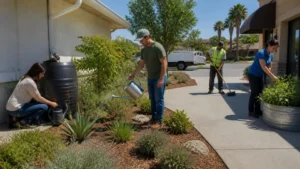
Households and businesses should first confirm their water supplier and check whether their property is covered by the current hosepipe restrictions. Reading the latest guidance helps ensure water is used legally and responsibly throughout the ban.
Practical Steps to Follow
- Check your supplier: Confirm the water company listed on your latest bill.
- Review restrictions: Read the current ban rules and exemption conditions.
- Reduce mains water use: Avoid unnecessary hosepipes, sprinklers and pressure washers.
- Choose alternatives: Use a bucket, watering can or collected rainwater where permitted.
- Fix leaks: Repair leaks promptly and monitor water usage.
- Inform staff: Ensure employees understand the restrictions.
- Keep records: Document any exempt commercial or safety-related water use.
Following official guidance, using only essential water and checking updates regularly will help households and businesses remain compliant until the restrictions are lifted.
Conclusion
The Anglian Water hosepipe ban 2026 places clear limits on non-essential domestic water use while allowing certain commercial, safety and welfare-related activities under defined exemptions.
Households and businesses should check the latest official guidance, confirm whether their activity is permitted and avoid assuming that business use is automatically exempt.
Careful record-keeping, efficient water use and early contingency planning can help organisations remain compliant, protect essential supplies and prepare for any tighter restrictions later in summer.
Frequently Asked Questions
Who is exempt from the hosepipe ban?
Exemptions may apply for health and safety, animal welfare, accessibility needs, genuine commercial activities, qualifying new planting and the use of non-mains water.
Can you still water your garden in a hosepipe ban?
No, hosepipes are generally prohibited, but watering cans or buckets may still be used, with limited exceptions for qualifying new planting.
How do I know if there is a hosepipe ban in my area?
Check your water supplier’s website using your postcode, as supplier boundaries do not always match county borders.
Does Anglian Water have a hosepipe ban?
Yes, Anglian Water’s Temporary Use Ban came into force at 1.01am on Saturday 11 July 2026, excluding Hartlepool.
Where is the hosepipe ban in the UK in 2026?
As of 11 July 2026, restrictions apply in Anglian Water, parts of South East Water and Southern Water regions, with more areas due to join from 17 July.
Can a company vehicle be washed during the Anglian Water ban?
Yes, if the washing is part of a genuine business activity or required for safety or public service purposes.
Can rainwater, grey water or water from a water butt be used?
Yes, non-mains water such as collected rainwater may generally be used if it is not topped up from the mains and is safe for its intended purpose.

Jermaine writes informative business content related to entrepreneurship, finance, innovation, operations, and emerging opportunities for growing businesses in the UK.

Does Gross Misconduct Always Lead to Dismissal?
No. Gross misconduct does not always lead to dismissal. It can be serious enough to justify dismissal without notice, including for a first offence, but an employer should…
Andy Burnham Whitehall Job Cuts Begin Under Devolution Push
Andy Burnham’s government has begun the first operational stage of its Whitehall devolution push, with civil servants due to be seconded into regional mayoral authorities from autumn 2026.…
Insights for the Modern
UK Small Business.
Join 15,000+ owners receiving tactical analysis on finance, marketing, and technology. No clutter.
Zero spam. Unsubscribe in one click.