What Triggers a DWP Investigation?


A DWP investigation can be triggered by information suggesting that a benefit claim may be incorrect. Common triggers include unreported changes in income, employment, savings, household circumstances or health, discrepancies between different records, information received from another organisation, or a report made by a third party.
However, being asked questions or documents does not automatically mean you are suspected of benefit fraud. The DWP also carries out routine reviews and eligibility checks to make sure claimants are receiving the correct amount.
This guide focuses mainly on benefits administered by the Department for Work and Pensions in Great Britain. Different arrangements can apply to devolved benefits in Scotland and to benefits administered by the Department for Communities in Northern Ireland.
What Can Cause a DWP Investigation?

There is no single event that automatically starts a fraud investigation. A concern may arise because the information held about a claim does not match other evidence, because a change appears not to have been reported, or because the DWP receives information suggesting that entitlement should be reviewed.
Potential triggers include:
| Possible trigger | Why it may prompt further checks |
| Earnings or employment changes | Recorded earnings may appear inconsistent with the benefit claim |
| Self-employed income | Reported business income or expenses may require clarification |
| Savings or capital | The amount held may affect entitlement to a means-tested benefit |
| A partner moving in or out | Household circumstances can change the amount payable |
| Moving home | Housing costs and household information may change |
| Health-related changes | Some benefits depend on health, disability or capability circumstances |
| Conflicting information | Details supplied at different times may not match |
| Information from another public body | Relevant information may be shared lawfully between authorities |
| A third-party allegation | A report may be assessed to see whether further enquiry is justified |
| Missing evidence | Failure to provide requested documents may lead to additional checks |
Government guidance says claimants should report changes in circumstances that could affect their benefits. These include changes to work, income, household members, savings, property, health and other money received. Deliberately failing to report a relevant change can amount to benefit fraud.
A trigger is therefore better understood as a reason to check the claim, rather than proof that somebody has done something wrong.
Could This Trigger a DWP Check?
Select any circumstances that may apply. This checklist can help identify situations that could prompt further checks, but it cannot determine whether the DWP will investigate a claim.
Have any of these circumstances occurred?
Select all that apply, then choose “Check selections”.
Circumstances selected:
Important: A potential trigger does not prove benefit fraud. Routine reviews, eligibility checks and requests for evidence can also occur when the DWP is checking whether a claim is correct.
Is a DWP Review the Same as a Fraud Investigation?
No. A routine benefit review, compliance check and fraud investigation are not necessarily the same thing.
The DWP regularly needs to confirm that information remains accurate. A claimant might be asked to provide identification, tenancy documents, bank statements or evidence about who lives with them. Universal Credit claimants can also be asked to upload evidence through their journal.
Citizens Advice states that having a benefit stopped temporarily or being asked to confirm facts does not always mean a person is being investigated for fraud. It may simply be a check to make sure the correct amount is being paid. Its guidance for people concerned about suspected benefit fraud also explains the types of documents a claimant may be asked to provide.
The position becomes more serious where the DWP says it is investigating suspected fraud, a Fraud Investigation Officer becomes involved, or the claimant receives an invitation to an interview under caution.
For people who have recently moved from older benefits, understanding recent Universal Credit changes can also help distinguish an ordinary change to a claim from something that requires investigation.
Common Reasons DWP May Investigate a Benefit Claim
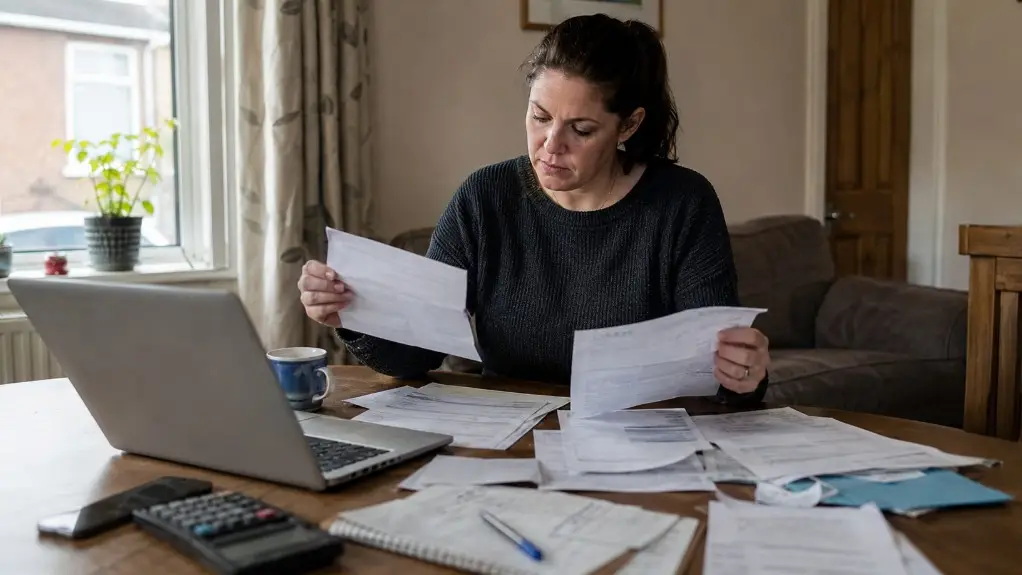
Undeclared Earnings or Changes in Employment
Starting work, leaving a job, changing working hours or receiving additional income can affect some benefit awards.
Problems can arise where information supplied by a claimant appears inconsistent with earnings or employment information available elsewhere. A difference does not necessarily mean fraud: payroll corrections, timing differences and genuine reporting mistakes can all require clarification.
The important question is whether the claimant’s actual circumstances have been reported correctly and whether any incorrect information was deliberate. GOV.UK distinguishes between mistakes that can cause overpayments and deliberately failing to report a relevant change.
Savings, Capital or Other Income
Savings, investments, property and other income can affect entitlement to means-tested benefits.
A review may therefore follow if information suggests that the amount of capital held by a claimant does not match what has been declared.
The rules are benefit-specific. A bank balance by itself should not be interpreted without considering what the money represents, whether any disregards apply and which benefit is being claimed.
Changes in Who You Live With
Household circumstances are another common area of enquiry.
Questions may arise when:
- A partner moves into or leaves the property
- Another adult begins living at the address
- Information suggests somebody lives somewhere different from the address recorded on the claim
- The claimant’s relationship or household circumstances change
The DWP may ask for evidence to establish the actual living arrangements rather than relying on a single factor.
A partner occasionally staying at a property, for example, is not by itself a universal test that determines benefit entitlement. The relevant benefit rules and the overall circumstances need to be considered.
Health or Capability-Related Changes
Some benefits or elements of benefits depend on disability, health conditions or how a condition affects the claimant.
A review could arise if the DWP receives information that appears inconsistent with what has previously been reported. Equally, claimants can be asked for updated information as part of an ordinary assessment or review.
Someone receiving Universal Credit because a health condition limits their ability to work may also need to understand the separate Limited Capability for Work and LCWRA rules.
Claimants should not assume that one photograph, activity or isolated event automatically proves that a disability claim is inaccurate. Health conditions can fluctuate and benefit entitlement depends on the applicable legal criteria rather than assumptions about what a disabled person should or should not be able to do.
Incorrect or Conflicting Information
Simple inconsistencies can lead to questions.
Examples could include different addresses appearing on records, earnings that do not appear to match information previously supplied, or documents containing dates that conflict with the claim.
There is an important distinction between:
- An innocent mistake
- An official or administrative error
- Failing to update information through negligence
- Deliberately providing false information or withholding information to obtain benefit
That distinction can affect how the matter is handled and what consequences may follow.
Reports or Allegations From Another Person
A third party can report suspected benefit fraud. This might be someone who knows the claimant, an employer or another person who believes that relevant information has not been declared.
A report does not establish that fraud has occurred. Information still needs to be assessed, and an allegation may be incomplete, mistaken or malicious.
Legal commentary supplied for this article notes that DWP investigations can arise either from the department’s own data and intelligence or following third-party information.
The sensible response is therefore not to assume that somebody making an allegation automatically causes prosecution. The DWP still needs evidence.
Data Matching and Information From Other Organisations
Information held by different public bodies can sometimes be compared or shared where the law permits it.
Turn2us explains that bodies responsible for benefits and tax can have investigation powers and may share relevant information. Its overview of how benefit fraud investigations work also stresses that many people who are investigated are never prosecuted.
Data that appears inconsistent with a claim may therefore lead to further questions without establishing fraud by itself.
How Does DWP Decide Whether to Investigate?
Information can be assessed before a case becomes a full criminal investigation.
The DWP may consider whether the information is credible, whether it relates to a benefit condition, whether other records support it and whether further enquiries are proportionate.
In practice, this means that not every discrepancy or allegation will produce the same response.
One case may result in a routine request for evidence. Another might require a benefit decision to be reconsidered. A case involving evidence of deliberate dishonesty could potentially be escalated to specialist fraud investigators.
The key distinction is between checking whether a payment is correct and investigating suspected criminal fraud.
What Information Can DWP Check During an Investigation?

Depending on the circumstances and the legal power being used, relevant information can include:
- The benefit claim and previous declarations;
- Universal credit journal entries
- Employment and earnings information
- Information about self-employment
- Savings and capital
- Housing information
- Household circumstances
- Documents supplied by the claimant
- Information already held by government departments or other authorised bodies
- Relevant information obtained lawfully from third parties.
The precise scope depends on the type and stage of the enquiry.
Can DWP Check Your Bank Account?
This requires careful distinction.
The Public Authorities (Fraud, Error and Recovery) Act 2025 received Royal Assent in December 2025 and created additional DWP powers, including an Eligibility Verification Measure designed to obtain limited information from banks and other financial institutions to help identify potentially incorrect benefit payments.
However, this is not the same as giving DWP unrestricted access to everybody’s bank transactions.
The statutory framework prevents the Eligibility Verification Measure from being used to request transaction information under that mechanism. GOV.UK also said on 24 June 2026 that the measure was among powers that would become operational in future.
Separately, financial information may be obtained under other lawful powers where an individual fraud investigation meets the relevant conditions.
Claims that the DWP can simply watch every purchase made by every benefit claimant therefore overstate the position.
How Do You Know if DWP Is Investigating You?
Possible signs of DWP scrutiny include:
- A letter requesting information
- A universal credit journal message
- A request to upload documents
- Questions about household circumstances
- A request for bank statements or other evidence
- Contact from an investigator
- An invitation to a meeting
- An invitation to an interview under caution.
These signs do not all have the same significance.
A request for identification or a tenancy agreement can be part of a normal review. Citizens Advice confirms that such requests do not automatically mean fraud is suspected.
An interview under caution is different. Citizens Advice advises people to obtain advice if they receive such an invitation because it indicates that they may be suspected of fraud.
What Happens During a DWP Fraud Investigation?

The precise process depends on the allegation and evidence, but several stages may occur.
Requests for Documents or Clarification
The DWP may first ask the claimant to explain information or provide supporting evidence.
That could include documents relating to:
- Income
- Employment
- Rent
- Household members
- Savings
- Business activity
- Identity
- Health circumstances.
Claimants should check exactly what has been requested and the deadline given. If a document cannot be obtained in time, contacting the DWP promptly is usually preferable to ignoring the request.
Citizens Advice specifically advises Universal Credit claimants who are struggling to obtain requested documents to leave a message in their journal and ask for more time where necessary.
Compliance Interviews and Interviews Under Caution
These should not be treated as interchangeable. A compliance interview may be used to clarify a claim or establish whether information needs correcting.
An interview under caution is more serious because it can form part of a suspected criminal fraud investigation. Anyone invited to an interview under caution should therefore understand the purpose of the meeting before deciding how to respond.
Further Evidence Gathering
Investigators may compare the explanation given with records and other relevant evidence. Depending on the circumstances and available legal powers, enquiries can involve other organisations or information holders.
The aim of an investigation should be to establish whether the allegation is supported rather than to assume guilt from the outset.
How Long Can a DWP Investigation Take?
There is no single standard duration for every DWP investigation.
A straightforward discrepancy that can be resolved with documents may take considerably less time than a complex case involving several years of records, multiple people or a suspected criminal offence.
The legal reference supplied for this article notes that investigations can range from relatively short cases to investigations lasting many months or considerably longer, with no standard period applying to every case.
Claimants should therefore be cautious about websites or social-media posts promising that a DWP investigation must end after a particular number of weeks.
If a case appears to have stalled, keep records of correspondence and seek advice about whether further information should be requested.
What Can Happen After a DWP Investigation?
There are several possible outcomes.
- No Further Action: The information might satisfactorily explain the concern. An investigation can therefore end without a finding of fraud. Turn2us specifically notes that many people investigated for fraud are never prosecuted.
- Benefit Entitlement Is Corrected: The DWP might decide that the benefit award needs to change without concluding that deliberate fraud occurred. This may result from an innocent error, information that was misunderstood or circumstances that were not updated correctly.
- An Overpayment Is Identified: If too much benefit has been paid, the DWP may decide that some money is recoverable. An overpayment decision and a criminal fraud allegation are separate issues. Someone can dispute whether an overpayment exists or whether the amount is correct even where other proceedings are taking place.
- A Penalty May Be Considered: Certain failures or inaccuracies can potentially result in financial penalties, depending on the circumstances and legislation involved. A penalty should not automatically be described as a finding of criminal fraud.
- Criminal Prosecution: Serious cases involving evidence of deliberate benefit fraud can potentially result in prosecution. An investigation does not guarantee this outcome, and prosecution requires evidence capable of supporting the alleged offence.
Anyone facing an interview under caution, prosecution warning or other indication of criminal proceedings should seek appropriate legal advice promptly.
What Should You Do if DWP Contacts You About an Investigation?
The most useful response is organised, accurate and proportionate.
- Read the communication carefully: Check who sent it, what benefit it concerns and whether a deadline is stated.
- Identify what is actually being requested: Do not assume that every document request means fraud.
- Respond accurately: Avoid guessing if you do not know an answer.
- Gather supporting records: These could include payslips, invoices, tenancy documents, bank statements or correspondence.
- Keep copies: Save letters, journal messages, documents submitted and notes of relevant calls.
- Correct genuine errors: If information on the claim is wrong, find out how it should be updated.
- Seek benefits advice where entitlement is disputed: Complex household, savings or self-employment rules can be difficult to interpret.
- Get legal advice if the matter becomes criminal: An interview under caution or threatened prosecution should be treated differently from an ordinary review.
Ignoring official correspondence can make it harder to resolve a straightforward problem.
Can a Genuine Mistake Trigger a DWP Investigation?

Yes. A mistake or discrepancy can lead to checks even where there was no intention to commit fraud.
For example, imagine that a claimant begins receiving occasional self-employed income and records some payments in the wrong Universal Credit assessment period.
The figures may appear inconsistent when they are checked later. The DWP could ask for invoices, statements and an explanation.
That does not mean fraud has already been established.
What happens next depends on the facts, including what should have been reported, what was actually reported and whether any inaccurate information was deliberate.
Government guidance distinguishes deliberately withholding relevant changes from errors that can lead to incorrect payments or overpayments.
What Does a DWP Investigation Mean for Small-Business Owners and the Self-Employed?
Self-employed Universal Credit claimants need particularly careful records because Universal Credit uses monthly reporting rules that differ from annual tax accounting.
Current DWP guidance says self-employed claimants must report business income and expenses each month, even in months with no income or expenses. Evidence can include invoices, receipts and bank records.
A sole trader might therefore have perfectly legitimate differences between:
- Turnover and profit
- Money invoiced and money actually received
- Business and personal transfers
- Universal credit reporting periods and tax-year accounts
- Allowable universal credit expenses and expenses treated differently for tax purposes.
Good record-keeping can make these differences easier to explain.
Small-business owners should retain relevant invoices, receipts, statements and payment records and make sure benefit reporting is kept separate from assumptions made for tax purposes.
Anyone starting to trade should also understand when registering a business with HMRC becomes necessary. HMRC registration and Universal Credit reporting are related administrative responsibilities, but complying with one does not automatically satisfy the other.
For a self-employed claimant, the practical lesson is straightforward: keep records that explain where money came from, when it was received and how figures reported to the DWP were calculated.
When Should You Seek Professional Advice?
Independent advice becomes particularly useful where:
- You do not understand what change you were required to report
- The dwp alleges a large overpayment
- Your household circumstances are disputed
- Self-employed income calculations are complex
- You believe evidence has been misunderstood
- You are asked to attend an interview under caution
- Criminal prosecution is mentioned
- You want to challenge an overpayment or benefit decision.
Benefits advisers can help with entitlement and decision challenges, while a solicitor experienced in criminal or benefit-fraud matters may be more appropriate where a criminal investigation is underway.
What to Remember if DWP Starts Checking Your Claim
What triggers a DWP investigation is usually information suggesting that a claim may need further examination: an unreported change, conflicting data, unusual financial information, a third-party report or another discrepancy.
The existence of a trigger does not prove benefit fraud.
Routine reviews, requests for documents and eligibility checks are common parts of benefit administration. The seriousness changes when there is a specific allegation of fraud or an interview under caution.
If contacted, check what is being asked, respond accurately, preserve your records and obtain specialist advice where the issue involves disputed entitlement, a substantial overpayment or possible criminal proceedings.
Frequently Asked Questions
Does someone reporting you automatically trigger a DWP investigation?
No. A third-party report can provide information for the DWP to assess, but an allegation does not itself prove fraud. The department may consider whether the information is relevant and credible before deciding whether further enquiries are necessary.
Can DWP investigate you without telling you?
Some checking and information assessment can take place before a claimant is contacted. However, if the DWP needs information or an explanation directly from you, you may receive a letter, journal message, document request or interview invitation.
Does a Universal Credit review mean you are suspected of fraud?
No. A Universal Credit review can simply be an eligibility or payment-accuracy check. Citizens Advice confirms that being asked to verify facts does not automatically mean fraud is being investigated.
Can DWP check your bank account?
DWP can obtain financial information where lawful powers permit it, but claims that it has unrestricted access to everybody’s transaction history are misleading. The 2025 Act also created an Eligibility Verification Measure involving limited bank-held data, and GOV.UK said on 24 June 2026 that this measure would become operational in future.
Can DWP investigate an old benefit claim?
Potentially, yes. Previous claim periods can become relevant where information suggests that entitlement may have been incorrect during that period. The legal and recovery position will depend on the circumstances, dates, benefit and nature of the alleged problem.
What happens if DWP finds an innocent mistake?
An innocent mistake does not automatically become criminal fraud. The DWP may correct the award or identify an overpayment, depending on the circumstances. Intent and the applicable benefit rules can be important when deciding whether conduct amounts to fraud.
Should you get a solicitor for a DWP interview under caution?
Obtaining legal advice is strongly advisable. An interview under caution indicates potential suspected fraud and is substantially different from an ordinary benefit review or compliance discussion. Citizens Advice and Turn2us both recommend getting appropriate advice.

Jennifer contributes business-focused articles covering modern business trends, digital growth, entrepreneurship, and practical insights designed to support startups and SMEs.

DWP Energy Bill Letters Dispatched: Six Million Households Could Get £150 Discount
Millions of UK households are being urged to watch their post as the Department for Work and Pensions (DWP) prepares to distribute letters concerning a £150 reduction in…

Kemi Badenoch Inheritance Tax Policy: What the 2026 Plan Could Mean
The Kemi Badenoch inheritance tax policy would make one of the biggest changes to the way family homes are treated for UK inheritance tax in decades if a…
Insights for the Modern
UK Small Business.
Join 15,000+ owners receiving tactical analysis on finance, marketing, and technology. No clutter.
Zero spam. Unsubscribe in one click.