Biggest Motor Fuel Sales Collapse UK Retailers Have Seen Since 2020

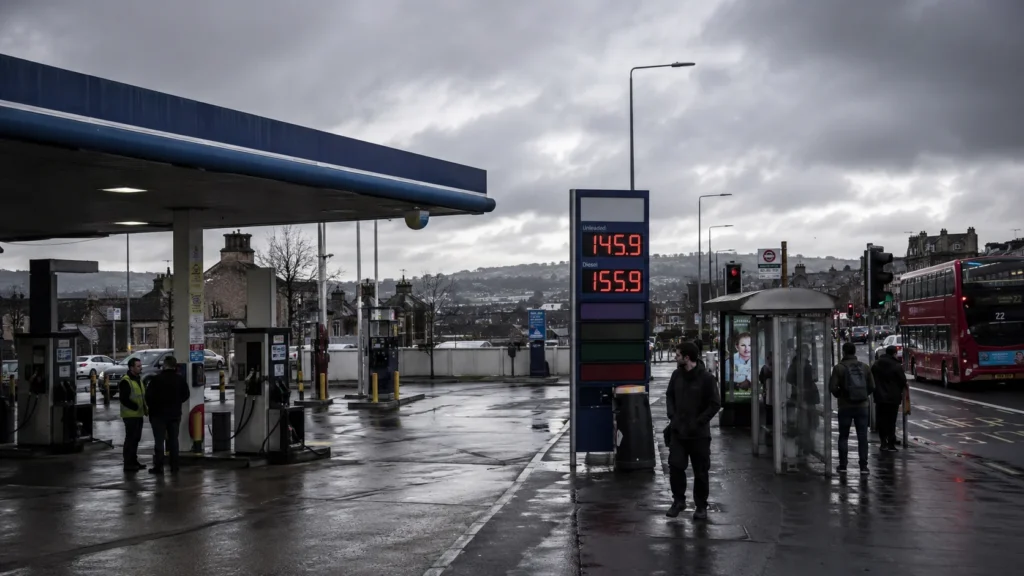
The UK has experienced its biggest motor fuel sales collapse since the Covid-19 pandemic in 2020, with petrol and diesel purchases falling by more than 10% in April 2026.
According to the Office for National Statistics (ONS), the sharp decline significantly contributed to a 1.3% drop in overall retail sales across Great Britain.
Rising fuel prices, inflation pressures, cautious consumer spending, and changing travel habits are all influencing how motorists are managing fuel costs. The slowdown has also created fresh concerns for independent fuel retailers and the wider UK retail sector.
Key Takeaways
- UK motor fuel sales recorded their steepest decline since 2020
- Fuel purchases fell by more than 10% in April 2026
- Rising living costs are reducing consumer fuel spending
- Global tensions and fuel price volatility impacted motorists
- Retail sales across Britain declined by 1.3% overall
- Beauty and technology retailers performed better than fuel retailers
- Experts believe changing travel habits may continue affecting fuel demand
Why Did Motor Fuel Sales in the UK Collapse So Sharply in April 2026?
Motor fuel sales in the UK fell at their fastest pace since November 2020, when lockdown restrictions dramatically reduced travel across the country. The latest ONS figures revealed that fuel purchases dropped by more than 10% month on month during April 2026.
This sudden decline came shortly after a strong increase in March, when many motorists rushed to fill up their vehicles amid fears of rising fuel prices connected to tensions in the Middle East.
What the Latest ONS Retail Data Reveals?
The ONS reported several key figures showing the scale of the downturn:
| Retail Indicator | March 2026 | April 2026 |
| Total Retail Sales Growth | +0.6% | -1.3% |
| Fuel Sales Volume | +6.1% | -10%+ |
| Fuel Sales Value | +12% | Significant decline |
| Clothing Sales | Stable | -2.4% |
The figures suggest that consumers reacted strongly to economic uncertainty and rising household costs. After stocking up on fuel in March, many drivers reduced spending significantly in April.
Grant Fitzner, chief economist at the ONS, explained that subdued fuel purchases were one of the main reasons behind the wider retail slowdown.
How Consumer Behaviour Shifted After March Fuel Stockpiling?
The sharp rise in fuel purchases during March reflected what many analysts described as “panic at the pumps”. Motorists feared further fuel price increases as geopolitical tensions affected global oil markets.
However, once households had already filled their tanks, spending naturally slowed the following month. At the same time, many consumers also started limiting unnecessary journeys to save money.
Several behavioural trends became noticeable:
- Fewer leisure trips
- Reduced long-distance driving
- More use of public transport
- Increased remote working
- Careful weekly budgeting by households
A retail analyst working with UK forecourt operators described the situation clearly:
“We noticed customers filling full tanks in March because they expected prices to climb rapidly. By April, many drivers were deliberately reducing journeys and monitoring fuel use more carefully than usual.”
The collapse in motor fuel sales UK retailers experienced reflects not just temporary panic buying but also broader concerns about affordability and economic stability.
How Are Rising Fuel Prices and Economic Pressures Affecting UK Motorists?
Fuel prices continue to place pressure on British households already dealing with inflation, higher utility bills, and increased grocery costs. For many families, petrol and diesel spending has become an area where savings can be made quickly.
When fuel prices rise sharply, motorists often react by:
| Consumer Response | Impact |
| Driving less frequently | Lower fuel demand |
| Combining journeys | Reduced petrol consumption |
| Switching to public transport | Fewer forecourt visits |
| Working remotely | Lower commuting costs |
| Delaying non-essential travel | Reduced retail activity |
The impact is especially noticeable among commuters and small business owners who rely heavily on transport.
Variable weather conditions during April also contributed to weaker retail activity overall. Clothing sales fell sharply as shoppers became more cautious with discretionary spending.
Many independent fuel retailers are now facing a difficult environment where margins remain tight while customer demand weakens.
A forecourt business consultant explained the challenge from first-hand experience:
“I’ve seen independent petrol station owners become increasingly concerned over the last few months. Customers are spending smaller amounts more frequently instead of filling full tanks, which affects cash flow and long-term profitability.”
These patterns suggest that the decline is not solely linked to one-off market events but also changing consumer priorities during economic uncertainty.
What Role Did Global Events Play in the UK Fuel Sales Decline?

International events played a major role in shaping fuel market behaviour during the first half of 2026. Rising tensions in the Middle East created fears of disruption to global oil supplies, which pushed fuel prices higher across Europe and the UK.
As prices increased rapidly in March, many British motorists rushed to buy fuel before costs climbed further. This created a temporary surge in sales that was difficult to sustain.
The “Panic at the Pumps” Effect Explained
The March increase in fuel spending was one of the strongest monthly rises since 2021. Fuel sales values jumped by 12%, highlighting how quickly consumers responded to fears about supply shortages and future price hikes.
The pattern followed a familiar cycle:
- News of geopolitical instability increased concerns
- Fuel prices rose sharply
- Consumers stocked up on petrol and diesel
- Spending dropped heavily the following month
While the March increase initially boosted retail figures, April showed the opposite effect as consumers pulled back sharply.
| Fuel Market Trend | Consumer Reaction |
| Rising oil prices | Stockpiling fuel |
| Economic uncertainty | Reduced travel |
| Inflation concerns | Lower discretionary spending |
| High transport costs | Conservative budgeting |
The fuel market remains highly sensitive to global political developments, making future retail performance difficult to predict.
How Did the Motor Fuel Sales Collapse Impact Overall UK Retail Sales?
Fuel sales had a significant influence on the UK’s wider retail performance during April. The 10% fall in fuel purchases heavily contributed to the overall 1.3% decline in national retail sales.
Even when excluding fuel sales, retail activity still fell by 0.4%, showing that consumer caution extended beyond petrol stations.
Several sectors struggled during the month:
- Clothing retailers
- Department stores
- Independent high street shops
- Convenience retailers linked to fuel stations
The clothing sector was particularly affected, recording its lowest sales level since June last year.
However, some sectors proved more resilient despite weaker consumer confidence.
| Retail Sector | April 2026 Performance |
| Fuel Retailers | Significant decline |
| Clothing Stores | -2.4% |
| Beauty Products | Growth |
| Technology & Computers | Stable growth |
Retailers continue to face difficult conditions as households prioritise essential spending over discretionary purchases.
Which Retail Sectors Performed Better Despite the Fuel Sales Downturn?

Although fuel retailers struggled, several retail categories continued to perform well during April.
The ONS highlighted stronger sales in:
- Beauty and skincare products
- Computer and technology retailers
- Online electronics stores
These sectors benefited from consumers focusing spending on products viewed as practical or personally valuable.
Technology purchases remained relatively steady because many households continue investing in home working equipment, digital entertainment, and essential electronics.
Beauty products also maintained demand despite wider economic caution, showing that some affordable lifestyle purchases remain resilient even during slower retail periods.
Retail experts believe these trends reflect changing consumer priorities rather than broad confidence in the economy.
Could the UK Fuel Retail Market Recover in the Coming Months?
The future of the UK fuel retail market remains uncertain. Some analysts believe warmer weather, lower inflation, and improved consumer confidence could encourage spending during the summer months.
However, several long-term challenges continue to affect the industry:
- Growing electric vehicle adoption
- Hybrid working reducing commuting
- Consumer budgeting pressures
- Volatile global oil prices
- Increased competition between retailers
PwC UK retail specialists noted that April may represent the first major consumer reaction to rising geopolitical uncertainty in 2026.
There are also concerns that independent petrol stations may struggle more than larger supermarket chains, which can absorb lower margins more effectively.
Despite the current slowdown, some retailers remain cautiously optimistic about seasonal improvements later in the year.
A retail market adviser summarised the situation by saying:
“I believe fuel demand could stabilise if inflation eases during summer, but consumer habits have clearly changed since the pandemic. People are far more conscious about travel costs now than they were a few years ago.”
The shift towards electric vehicles may also continue reducing long-term demand for petrol and diesel across Britain.
What Does the Biggest Motor Fuel Sales Collapse Since 2020 Mean for the UK Economy?

The sharp fall in fuel sales offers a broader warning about consumer confidence across the UK economy. Fuel spending often acts as an indicator of household activity because it reflects commuting, travel, and discretionary movement.
When motorists reduce fuel purchases sharply, it can suggest:
- Lower consumer confidence
- Reduced business activity
- Cautious household spending
- Economic uncertainty
- Changing transport habits
Although retail sales during the first quarter still rose modestly year on year, the April slowdown highlights ongoing pressure facing both consumers and retailers.
Independent fuel stations, convenience stores, and smaller retail businesses may continue facing financial strain if spending remains subdued through the rest of 2026.
At the same time, changing transport trends and the growth of electric vehicles could permanently reshape the UK fuel market over the next decade.
Conclusion
The biggest motor fuel sales collapse UK retailers have seen since 2020 highlights how economic pressure, rising fuel costs, and global uncertainty are influencing consumer behaviour across Britain.
After a sharp rise in fuel purchases during March, motorists significantly reduced spending in April, contributing to the steepest monthly retail sales decline in a year.
While sectors such as beauty and technology remained relatively resilient, fuel retailers and clothing stores experienced notable challenges. Experts believe consumer caution, inflation concerns, and changing travel habits will continue affecting retail performance in the months ahead.
Although summer conditions and lower inflation may help stabilise spending, long-term changes such as electric vehicle adoption and flexible working are likely to keep reshaping the UK fuel retail market.
FAQs
Why did UK motor fuel sales fall so sharply in April 2026?
UK fuel sales dropped mainly because motorists had already stocked up in March amid fears of rising prices linked to global tensions. Consumers also reduced travel due to financial pressures.
How much did fuel purchases decline in the UK?
Fuel purchases fell by more than 10% month on month in April 2026, marking the biggest decline since November 2020.
What caused the “panic at the pumps” in March 2026?
Concerns about Middle East conflict and rising oil prices encouraged motorists to buy fuel early before prices increased further.
Are rising fuel prices changing consumer behaviour in Britain?
Yes, many households are driving less, combining journeys, using public transport more often, and monitoring fuel spending carefully.
Which UK retail sectors performed well despite weaker fuel sales?
Beauty products, technology retailers, and computer shops continued to record relatively strong sales during April 2026.
Could electric vehicles reduce fuel sales further in the future?
Yes, the growing adoption of electric vehicles is expected to reduce long-term demand for petrol and diesel across the UK.
What does falling fuel demand indicate about the UK economy?
Declining fuel demand often reflects weaker consumer confidence, cautious spending habits, and broader economic uncertainty.

John covers a wide range of business topics including technology, productivity, startups, digital transformation, and business development for modern companies.

Does Gross Misconduct Always Lead to Dismissal?
No. Gross misconduct does not always lead to dismissal. It can be serious enough to justify dismissal without notice, including for a first offence, but an employer should…

Andy Burnham Whitehall Job Cuts Begin Under Devolution Push
Andy Burnham’s government has begun the first operational stage of its Whitehall devolution push, with civil servants due to be seconded into regional mayoral authorities from autumn 2026.…
Insights for the Modern
UK Small Business.
Join 15,000+ owners receiving tactical analysis on finance, marketing, and technology. No clutter.
Zero spam. Unsubscribe in one click.