England Parish Council Tax Increases in 2026 – What the 8.2% Rise Means for Households?

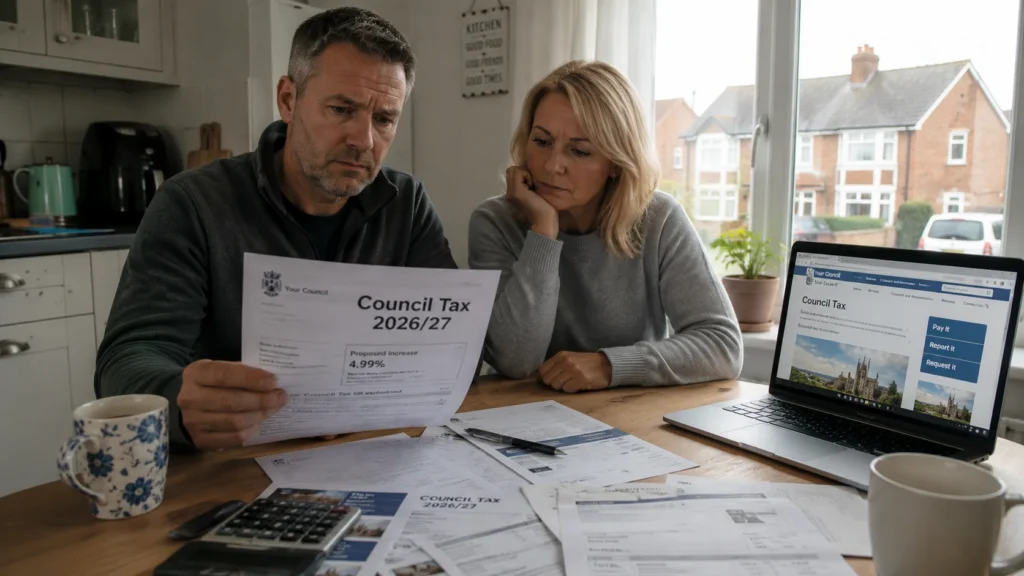
Council tax bills across England are increasing again in 2026, but one area receiving growing attention is the rise in parish council precepts.
Parish and town councils are expected to raise around £942 million during 2026/27, with the average Band D parish charge increasing by 8.2%.
While the increase may appear modest nationally, some households in certain areas are facing far larger jumps due to uncapped parish precepts.
Key points:
- The average Band D parish precept will rise to £99.79
- Parish councils can increase precepts without referendum limits
- Around nine million households pay parish council charges
- Local authorities argue rising costs are driving increases
- Critics warn households are facing a postcode lottery of tax bills
Understanding why these increases are happening can help you better prepare for your 2026/27 council tax costs.
What Are England Parish Council Tax Increases?
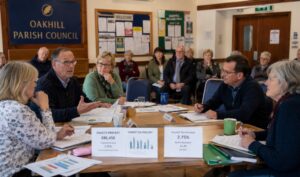
England parish council tax increases refer to the annual rise in local precepts charged by parish and town councils. These charges are added to standard council tax bills and are used to fund local community services and facilities.
Parish councils represent the lowest tier of local government in England. Although their responsibilities are smaller than county or district councils, they often manage important local amenities such as parks, village halls, public events, playgrounds, cemeteries and community projects.
In 2026/27, parish precepts are expected to total £942 million, which is £83 million higher than the previous year. According to data published by the Ministry of Housing, Communities and Local Government, parish precepts now account for around 2% of overall council tax receipts in England.
“Parish and town councils are playing an increasingly important role in addressing major local challenges,” said Cllr Iain Hamilton, Chair of the National Association of Local Councils.
This increase reflects both growing local responsibilities and rising operational costs.
How Much Is the Parish Council Tax Rise in 2026/27?
The average Band D parish council precept for England will rise from £92.20 to £99.79 in 2026/27. While this increase may seem manageable for some households, local differences can significantly affect final bills.
Average Band D Parish Precept for 2026/27:
| Financial Year | Average Band D Precept | Annual Increase |
| 2025/26 | £92.20 | — |
| 2026/27 | £99.79 | £7.59 |
The increase means households will pay slightly more towards local services delivered by parish and town councils.
How the 8.2% Increase Compares with Previous Years?
Over the last five years, parish council funding has steadily increased. The total value of parish precepts has risen by approximately £654 million during that period.
England Parish Precepts Growth Over Recent Years:
| Year | Total Parish Precepts |
| 2022/23 | £655 million |
| 2023/24 | £707.6 million |
| 2024/25 | £782.8 million |
| 2025/26 | £858.6 million |
| 2026/27 | £941.6 million |
The figures show that local councils are relying more heavily on parish precepts to fund services.
Growth in Parish Council Funding Across England
A combination of economic pressures and growing community responsibilities is driving parish council tax increases in 2026/27.
Many parish councils argue that without additional funding, they would struggle to maintain local facilities and essential public services.
Several factors are contributing to rising parish council costs:
- Inflation and energy costs
- Increased maintenance expenses
- Staffing and National Insurance rises
- Community infrastructure demands
- Reduced external funding support
Although the average increase is 8.2%, some councils have introduced much larger rises due to local budget pressures. This demonstrates how varied parish taxation can become across England.
What Does the 8.2% Parish Precept Increase Mean for Your Household?
For many households, the 8.2% parish precept increase may only add a few extra pounds to annual council tax bills. However, alongside rising living costs and wider council tax increases, the financial impact can become more noticeable.
The average Band D council tax bill in England is expected to reach £2,392 in 2026/27, up £111 from the previous year. Parish council charges form only part of this total, but the amount varies significantly depending on local parish budgets and services.
Rural areas are often more affected because parish councils manage community facilities, parks, and local projects.
Homeowners in higher council tax bands may also face larger increases, raising affordability concerns for pensioners and lower-income households.
Why Are Parish and Town Councils Raising Council Tax?
Parish councils argue that increased funding is necessary to maintain community services and protect local amenities. Many councils say they are facing rising operational costs while receiving limited direct government support.
Parish Councils and Uncapped Tax Powers
Unlike district or county councils, parish councils are not subject to the same referendum cap restrictions. Most principal councils cannot raise council tax by more than 4.99% without public approval, but parish councils can exceed this threshold.
This flexibility allows smaller councils to respond quickly to financial pressures, although critics argue it exposes residents to sharp tax rises.
“We are clear that councils should protect taxpayers from large rises and ensure any increase is justified,” said a spokesperson from the Ministry of Housing, Communities and Local Government.
Local Budget Pressures and Community Spending
Parish councils often fund services that directly affect daily community life. These may include:
- Public parks and green spaces
- Village halls and local events
- Playgrounds and recreation grounds
- Cemetery maintenance
- Community safety initiatives
- Christmas lights and local festivals
Many councils argue these services would disappear without additional funding.
Examples of Sharp Parish Council Tax Increases in England
Some parish councils introduced exceptionally large increases in 2026/27.
| Parish Council | County | Annual Band D Charge |
| Elmton | Derbyshire | £551.46 |
| Falmouth | Cornwall | £488.15 |
| Truro | Cornwall | £459.89 |
| Salisbury City | Wiltshire | £401.22 |
In Radcliffe-on-Trent, Nottinghamshire, the parish precept increased by nearly 180%. Local officials stated the increase was needed to protect parks, public events and community facilities.
“There comes a time when you have to draw a line in the sand and invest money for the future,” explained parish council chair Anne McLeod.
These examples highlight how financial pressures vary significantly between communities.
How Does the Parish Precept Fit into Your Overall Council Tax Bill?
Your council tax bill is made up of several separate charges combined into one payment. The parish precept is simply one component within the total amount.
Typical council tax bills may include charges for:
- County councils
- District or borough councils
- Police and crime commissioners
- Fire services
- Parish or town councils
Because parish councils only represent a small portion of the overall bill, some residents may not immediately notice the increase. However, in areas with larger precepts, the impact can become substantial.
The parish element is usually listed separately on annual council tax statements, allowing residents to see exactly how much they contribute locally.
Are Households Facing a Parish Council Tax Postcode Lottery?
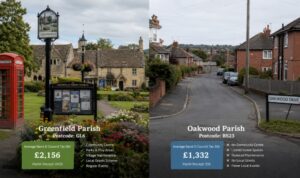
Concerns about fairness have increased as parish precepts continue rising unevenly across England. Some households pay little or nothing towards parish councils, while others face annual charges exceeding £500.
Campaign groups argue this creates a postcode lottery where taxation depends more on local governance structures than household affordability.
I recently spoke with a homeowner in Nottinghamshire who described their frustration after receiving their updated council tax bill. They told me:
“I understand local parks and events need funding, but when your bills keep increasing every year, it starts feeling difficult to justify.”
Their concern reflects a wider national debate. Some residents support increased investment in local services, while others believe households are being stretched too far during the ongoing cost of living crisis.
“The rapid growth in parish council tax reflects wider strains across local government finance,” said Andrew Dixon from Fairer Share.
This growing divide means parish council taxation is likely to remain a controversial topic in coming years.
What Local Services Are Parish Council Tax Increases Paying For?
Parish councils use tax increases to fund local services and community projects that directly affect everyday life. Although responsibilities vary between areas, many councils focus on maintaining public spaces, supporting local events, and improving neighbourhood facilities.
Commonly funded services include:
- Playground and park maintenance
- Cemetery upkeep and allotments
- Public benches and environmental improvements
- Local festivals and community activities
Some parish councils also support youth programmes, climate initiatives, and neighbourhood safety projects. In many rural communities, these funds help preserve local services and social activities that larger councils may not prioritise.
Without parish precepts, smaller communities could struggle to maintain facilities regularly used by residents.
Is the 2026 Parish Council Tax Rise Fair for Residents?
Opinions remain divided. Supporters argue councils are simply responding to inflation and reduced public funding. Critics believe uncapped increases place too much pressure on households already struggling with food, energy and mortgage costs.
The fairness debate becomes even stronger when neighbouring communities pay dramatically different amounts. Residents often question whether the services they receive justify the higher costs.
Transparency may become increasingly important moving forward. Councils that clearly explain spending decisions and future plans are more likely to maintain public support.
Ultimately, the issue reflects a broader challenge facing local government finance across England.
How Can You Check Your Parish Council Tax Charge?

You can usually find your parish council tax charge, also called the parish precept, on your annual council tax bill from your local authority. The bill shows how payments are divided between local services, including parish councils.
As parish council tax increases continue across England in 2026/27, many households are reviewing local charges more closely.
Most councils also publish financial information online, allowing residents to compare charges, review spending plans, and better understand local taxation decisions.
Step 1: Check Your Annual Council Tax Bill
Your council tax bill normally arrives before the new financial year and outlines all charges for your property.
The bill usually includes:
- Your property council tax band
- Total annual council tax amount
- Charges for each authority
- The parish or town council precept
- Payment dates and instalment details
The parish precept may appear as a separate line under your parish or town council name.
Step 2: Visit Your Local Authority Website
Most councils publish council tax breakdowns online. Residents can search by postcode or parish name to compare local charges with nearby areas.
| Online Information Available | Purpose |
| Council tax breakdowns | Shows parish-level charges |
| Annual increase notices | Explains yearly changes |
| Parish comparison tools | Compare nearby areas |
| Budget reports | Understand spending priorities |
| Council tax support details | Check discount eligibility |
Reviewing this information can help you understand whether local increases are in line with wider trends.
Step 3: Review Parish Council Financial Documents
Most parish councils publish budgets, annual accounts, and meeting minutes on their websites. These records provide transparency about local spending and future financial plans.
Key documents include:
- Annual budget reports
- Parish precept proposals
- Meeting agendas and minutes
- Community project updates
- Income and expenditure statements
These documents often explain increases linked to playground repairs, park maintenance, community facilities, or rising operational costs.
Step 4: Attend Public Parish Council Meetings
Parish council meetings are usually open to the public and allow residents to hear discussions about budgets and local spending priorities.
Attending meetings can help households:
- Understand future taxation plans
- Ask questions about spending decisions
- Raise concerns about large increases
- Learn about planned community projects
- Review how local services are funded
Many councils also publish meeting summaries or recordings online.
Step 5: Compare Current Charges with Previous Years
Comparing your current bill with older statements can help identify whether increases are gradual or unusually high.
| Comparison Area | Why It Matters |
| Previous parish precepts | Track annual increases |
| Nearby parish charges | Identify regional differences |
| Changes in services | Assess value for money |
| New local projects | Understand funding needs |
This is especially important in areas where parish councils have introduced larger increases due to infrastructure projects or rising service costs.
Reviewing this information carefully can help households better understand local taxation decisions and future parish council tax increases.
What Should Households Do Before Paying Their 2026/27 Council Tax Bill?
Before paying your updated council tax bill, it is worth reviewing the breakdown carefully and checking whether you qualify for any discounts or exemptions.
You may want to:
- Review your property council tax band
- Check eligibility for discounts or council tax support
- Compare this year’s bill with previous years
- Understand the parish precept included in your charges
- Attend parish council meetings discussing local budgets
- Review how local authorities allocate public funds
Some households may qualify for reductions based on single occupancy, disability support, low income, or pension status.
Staying informed about parish council tax increases can also help residents better understand local spending and community funding decisions
Conclusion
England parish council tax increases in 2026/27 reflect growing financial pressures on local councils and community services.
Although the average rise of 8.2% may seem modest, the effect on households will vary depending on local parish precepts and council decisions.
Many councils argue higher charges are necessary to maintain parks, events, and local facilities, while residents remain concerned about affordability during rising living costs.
As parish councils continue taking on greater responsibilities, understanding your local precept and monitoring future increases can help you better manage household finances and local tax expectations.
FAQs About
Do all areas in England pay a parish council precept?
No. Parish precepts only apply in areas that have parish or town councils. Some urban areas do not operate under this structure.
Can renters be affected by parish council tax increases?
Yes. Although landlords may initially receive the bill, council tax costs can still indirectly affect tenants through rental pricing.
Which properties usually pay the highest parish precepts?
Higher council tax bands, such as Band E to Band H, generally pay larger parish precept amounts than lower-band properties.
Are parish councils funded by the UK government?
Parish councils receive limited direct government funding and rely heavily on local precepts and small income sources.
Why do rural communities often have parish councils?
Rural areas typically use parish councils to manage local facilities and represent community interests more directly.
Can parish council tax charges change every year?
Yes. Parish councils review and set their precepts annually based on budgets and local spending needs.
Where can residents view parish council budgets and spending plans?
Most parish councils publish financial documents, meeting minutes and annual reports on their official websites.

Jermaine writes informative business content related to entrepreneurship, finance, innovation, operations, and emerging opportunities for growing businesses in the UK.

DWP Universal Credit Rollout End: Is the Move to Universal Credit Finally Finished?
The DWP Universal Credit rollout has officially finished, ending a programme that began in 2013. DWP completed its exercise to contact remaining legacy-benefit claimants in late March 2026,…

Andy Burnham Cash ISA Rules: What Changes for UK Savers?
Searches for Andy Burnham cash ISA rules centre on a practical question: will savers still be able to put £20,000 a year into tax-free cash savings? Under the…
Insights for the Modern
UK Small Business.
Join 15,000+ owners receiving tactical analysis on finance, marketing, and technology. No clutter.
Zero spam. Unsubscribe in one click.