Has The Tube Strike Been Cancelled? Latest London Underground Update For 2026

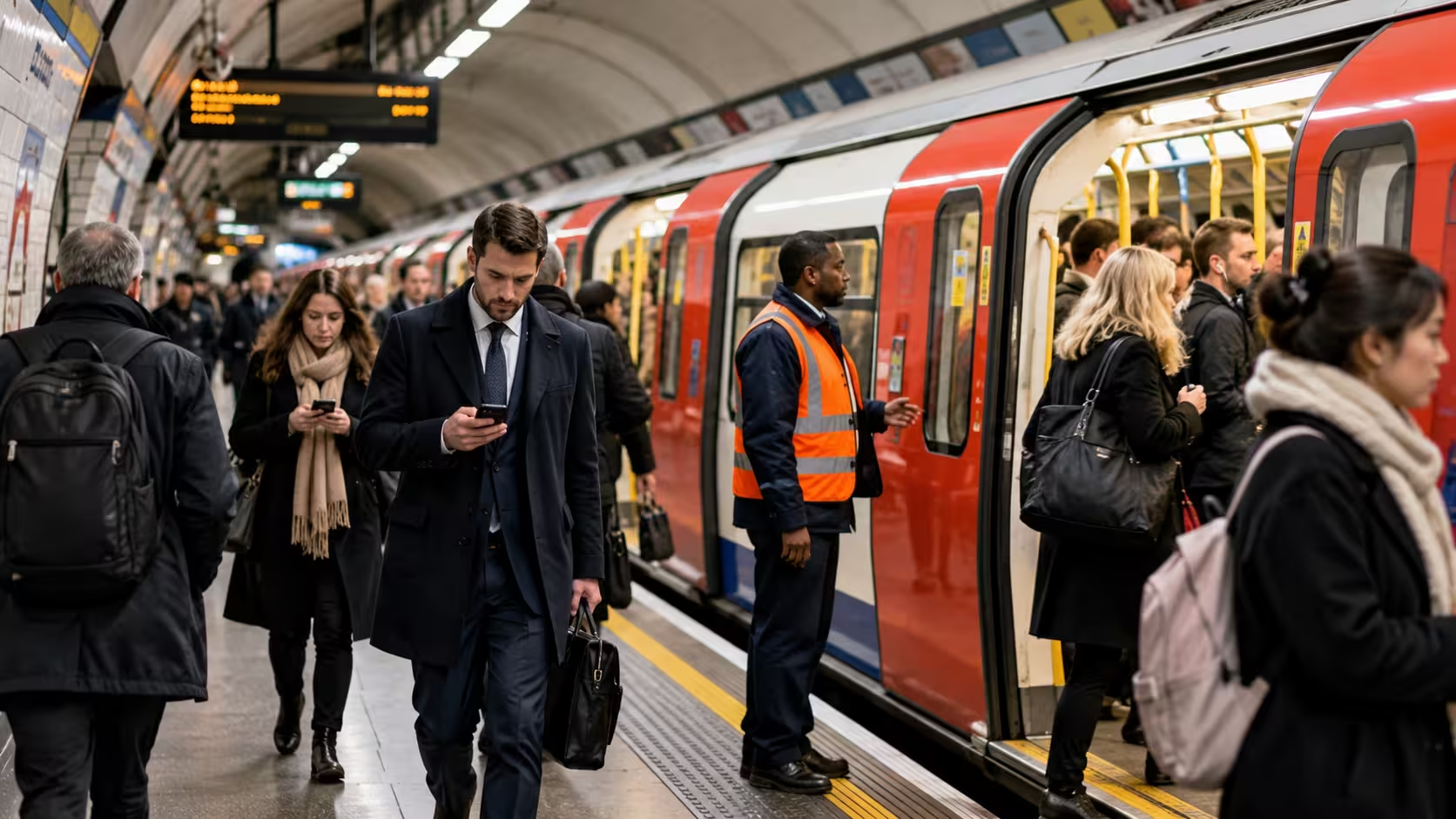
Yes, some planned London Tube strikes were cancelled or suspended in 2026, but that did not bring the wider dispute between the RMT union and London Underground to an end.
The strikes scheduled for 19 to 20 May and 21 to 22 May 2026 were suspended following progress in negotiations. However, talks later failed to resolve the key disagreements and Tube drivers represented by the RMT went on strike on 2 June and 4 June.
As of October 2026, there is no London Underground driver strike taking place and no new strike dates have been announced in connection with this dispute.
However, the disagreement over compressed four-day working arrangements has not been publicly confirmed as fully resolved.
Why Did The London Tube Strike Start In 2026?
The London Tube strike started because of a disagreement over plans to introduce a compressed four-day working week for Underground train drivers.
London Underground wanted to introduce an arrangement that would allow drivers to complete their working week across fewer days.
TfL maintained that participation would be voluntary and argued that the system could improve work-life balance while helping the Underground manage its workforce more efficiently.
The RMT did not oppose the idea of workers having fewer working days in principle. Its concerns centred on how the compressed week would operate in practice.
RMT members raised concerns about longer individual shifts, unpredictable working patterns, fatigue, safety and what could happen to drivers who decided not to take part.
The disagreement eventually became serious enough for members to vote for industrial action.
What Were RMT Members Demanding From London Underground?
RMT wanted stronger guarantees before agreeing to the proposed working arrangements.
Its main concerns included:
- Protection For Drivers who wanted to remain on existing working arrangements
- Clearer Rostering Rules to prevent undesirable or unpredictable shift patterns
- Fatigue Protection because longer working days could affect concentration and wellbeing
- Safety Guarantees connected with longer shifts and working patterns
- Protection Of Depot And Roster Positions for drivers who opted out
- Greater Union Representation during negotiations about the changes
The union argued that drivers should not face disadvantages because they chose not to enter the compressed working arrangement.
TfL, however, repeatedly said the four-day arrangement would be voluntary and that drivers wanting to remain on their existing pattern would be able to do so.
This difference between what TfL said the proposal would achieve and the guarantees RMT wanted became one of the main reasons the dispute continued.
Why Did Tube Drivers Oppose The Proposed Four-Day Working Week?
At first glance, a four-day working week may sound like an improvement for employees.
The dispute was more complicated because the proposal involved compressing working hours into fewer days rather than simply removing a working day without changing the remaining shifts.
RMT members were particularly concerned that longer shifts could increase fatigue.
Driving Underground trains requires sustained concentration and operates across early mornings, late evenings, weekends and other demanding periods.
The union therefore argued that changes to shift length and rostering needed careful safety protections.
There was also disagreement among unions.
ASLEF, which also represents Tube drivers, supported the voluntary arrangement, while RMT continued to raise concerns.
The dispute was therefore not simply about whether Tube drivers should work four days. It was about the conditions attached to the change and the protections available to employees choosing not to participate.
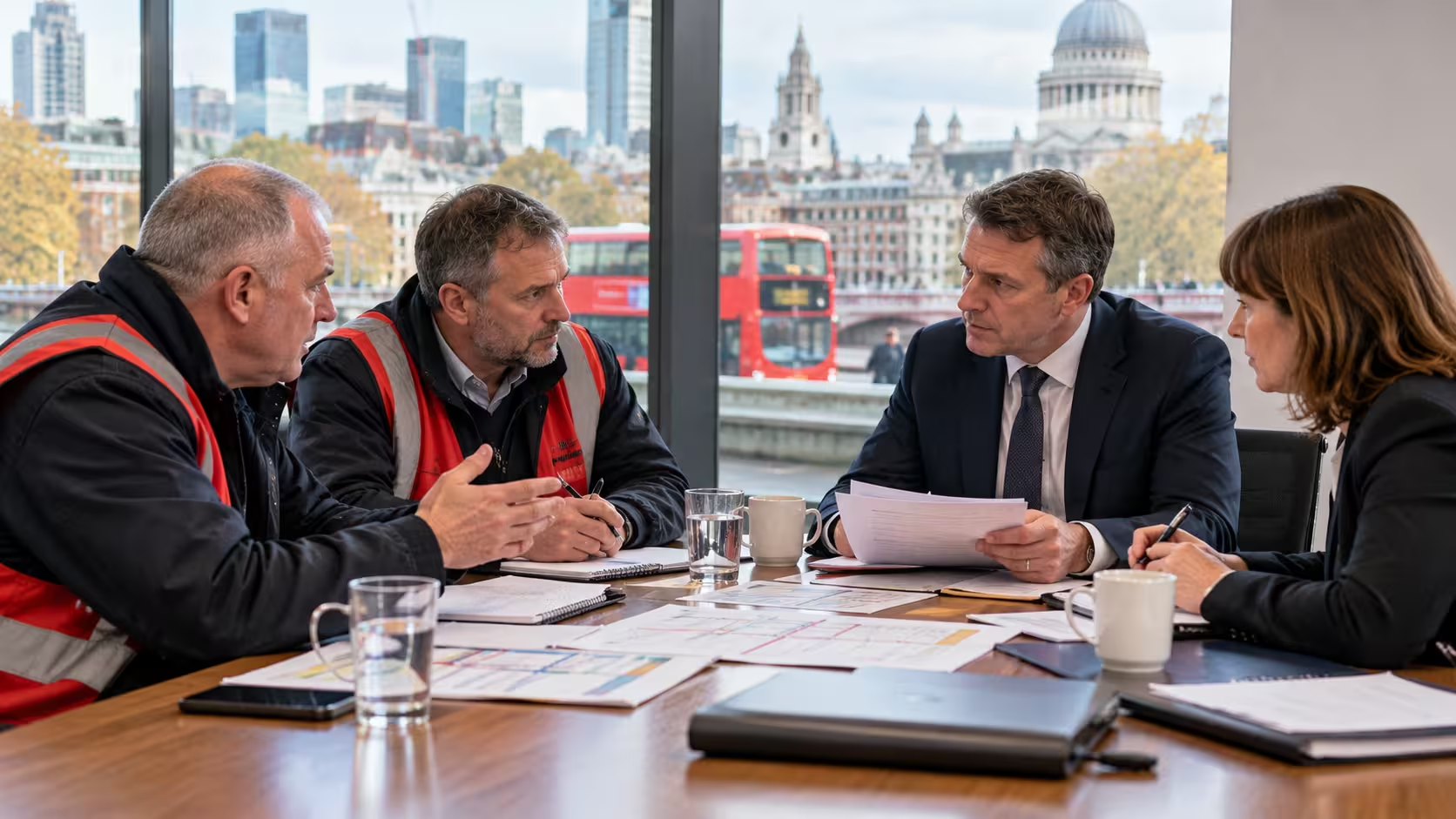
Which Tube Strikes Were Cancelled In May 2026?
RMT originally announced several periods of industrial action during spring 2026.
The May action was scheduled for:
| Planned Strike Period | What Happened |
| 19 To 20 May 2026 | Suspended |
| 21 To 22 May 2026 | Suspended |
The decision meant the major disruption expected across London Underground during those dates was avoided.
Passengers had previously been warned that services could be disrupted across virtually the entire network, with some lines potentially operating limited services or no trains during parts of the action.
The cancellation therefore provided immediate relief for commuters, employers, retailers, hospitality businesses and other organisations dependent on London’s transport network.
However, it did not mean that the industrial dispute itself had ended.
Why Were The May Tube Strikes Cancelled?
The May Tube strikes were suspended after further discussions between the RMT and London Underground created an opportunity for negotiations to continue.
RMT indicated that London’s Underground management had shifted its position sufficiently for additional discussions to take place.
One of the central issues was obtaining stronger clarity about what would happen to drivers who did not want to enter the compressed four-day working arrangement.
The union wanted assurances that employees opting out would not lose their existing roster position, depot arrangements or other working protections.
Suspending the strikes gave both sides additional time to negotiate without immediately disrupting passengers.
However, the agreement to continue talking was not the same as reaching a final settlement.
What Happened After The May Strikes Were Called Off?
After the May strikes were suspended, RMT and London Underground continued negotiations.
The union said it wanted clear commitments protecting drivers who chose not to join the compressed week. London Underground continued to maintain that the new working arrangement would be voluntary.
Despite further discussions, the two sides did not reach an agreement capable of preventing additional industrial action.
RMT therefore confirmed new strikes for 2 June and 4 June 2026.
This is an important part of the answer to the question “Has the Tube strike been cancelled?”
The May strikes were cancelled, but the dispute continued and later resulted in replacement industrial action.
Did The Replacement Tube Strikes In June Go Ahead?
Yes. The Tube strikes scheduled for Tuesday 2 June and Thursday 4 June 2026 went ahead.
Last-minute discussions failed to reach an agreement, resulting in significant disruption across the Underground.
Some Tube services continued because not every driver was taking industrial action, while drivers represented by ASLEF were not part of the RMT walkout.
The level of disruption therefore differed between lines.
During the June action, lines including the Circle and Piccadilly experienced periods of suspension, while parts of the Central and Metropolitan lines were also affected. Other Underground lines experienced reduced frequencies, delays or partial services.
The Elizabeth line, London Overground, DLR and other transport services largely continued operating, although many became considerably busier as passengers looked for alternatives.
Has The Four-Day Week Dispute Been Resolved Or Is It Still Ongoing?
As of October 2026, there has been no publicly confirmed final settlement ending the compressed four-day-week dispute.
The situation continued beyond the June strikes.
RMT drivers were balloted again during the summer, with members once more voting in favour of having the option to take strike action. In August, 937 members voted in favour of strike action from 1,050 votes cast.
The union subsequently said discussions had still not produced satisfactory assurances over compressed working arrangements.
RMT wanted clearer guarantees concerning drivers who opted out, working arrangements and union representation.
This means an important distinction must be made.
There is currently no Tube driver strike taking place, but the issue that caused the strikes has not been publicly confirmed as fully resolved.
Have The Original Reasons Behind The Tube Strike Been Addressed?
Some progress has been made since the dispute began, but the available updates do not show that every issue raised by the RMT has been settled.
TfL has consistently stated that the four-day working pattern is voluntary.
However, RMT has sought additional guarantees about what voluntary participation would mean in practice.
Its concerns have included what happens to a Morrison employee’s roster or depot position if they decide not to join the new arrangement and what protections would apply under any compressed-working framework.
The union also continued to raise questions around working conditions and representation during the summer.
Therefore, while negotiations have addressed parts of the disagreement, the original dispute cannot currently be described as completely cleared.
Are Any London Tube Lines Currently Affected By Strike Action?
There is currently no general London Underground driver strike affecting Tube lines because of the four-day-week dispute.
The disruption experienced during the April and June industrial action has ended.
This means passengers should not assume that the Circle, Piccadilly, Central or other lines remain suspended simply because those services were affected during earlier strikes.
Individual Tube lines can still experience delays or closures for unrelated reasons such as engineering work, signalling problems, staff shortages or operational incidents.
These should not automatically be confused with strike action.
There have also been other industrial disputes involving workers connected with London’s Gibbs transport network during 2026. These are separate from the RMT Tube-driver dispute over compressed working arrangements.
Could There Be More London Tube Strikes In 2026?
Further Tube strikes remain possible, although no new strike dates connected with the compressed-week driver dispute have been announced as of October 2026.
The possibility remains because RMT members renewed their industrial-action mandate during the summer.
A renewed strike mandate does not automatically mean that a strike will happen. It gives the union the ability to call industrial action if negotiations fail to produce an acceptable outcome and the necessary legal requirements are met.
The situation therefore has three important points:
- No Current Driver Strike is taking place
- No New Dates have currently been announced for this dispute
- The Underlying Disagreement has not been publicly confirmed as fully settled
Passengers should distinguish between reports that a dispute remains active and reports confirming an actual strike date.
What Should Passengers Do If Future Tube Strikes Are Announced?
If further London Tube strikes are announced, passengers should avoid assuming that the entire Underground network will automatically close.
The impact can differ significantly between lines depending on which employees are taking action and how many drivers remain available.
Travellers should consider alternative options including:
- London Overground
- Elizabeth Line
- DLR
- Buses
- National Rail
- Walking Or Cycling For Shorter Journeys
Alternative services can become much busier during Tube strikes, particularly during morning and evening peaks.
Passengers travelling for flights, appointments, work meetings or other time-sensitive commitments should allow considerably more time if future industrial action is confirmed.
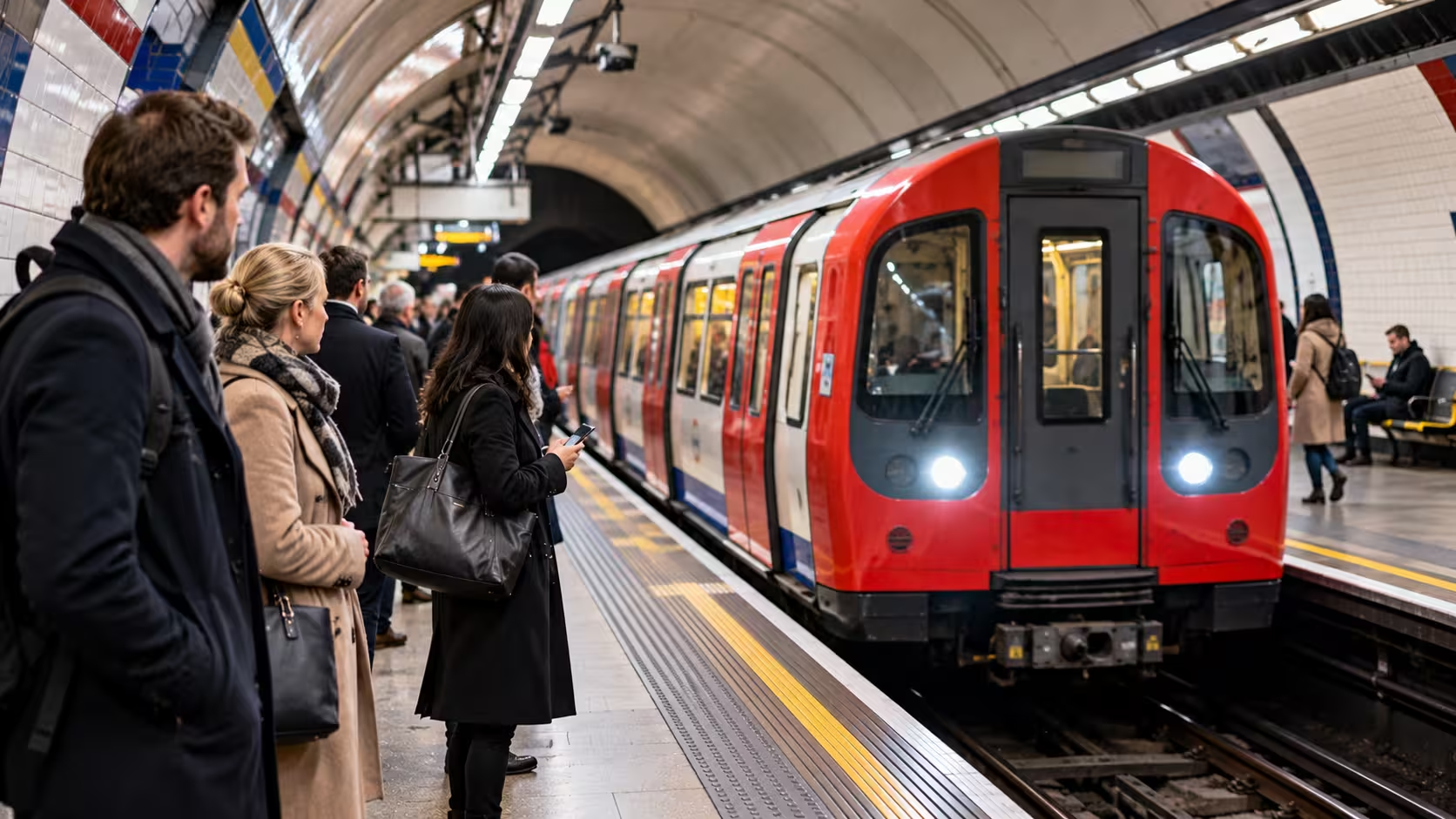
How Could Further Tube Strikes Affect London Businesses And Workers?
Tube strikes can create problems far beyond the Underground itself.
Many London businesses depend heavily on employees and customers being able to move around the city efficiently.
Restaurants, shops and hospitality venues can experience lower customer numbers when commuters avoid central London.
Businesses operating through appointments can face cancellations, while employers may struggle with staff arriving late or being unable to reach their workplace.
Potential effects include:
- Reduced Customer Footfall
- Staffing Problems
- Cancelled Appointments
- Delayed Deliveries
- Longer Employee Journeys
- Higher Alternative Transport Costs
- Reduced Hospitality Bookings
Even a strike that is cancelled shortly before it begins can create financial consequences.
Customers may already have cancelled reservations, employees may have rearranged shifts and businesses may have changed operating plans before the cancellation is announced.
For small businesses in particular, repeated uncertainty around transport disruption can make staffing and talk to customers planning more difficult.
Conclusion
The answer to “Has the Tube strike been cancelled?” depends on which period of industrial action is being discussed.
The planned Tube strikes on 19 to 20 May and 21 to 22 May 2026 were suspended, but the underlying disagreement was not settled. RMT drivers subsequently went ahead with replacement strikes on 2 and 4 June.
As of October 2026, no Tube-driver strike connected with the compressed four-day-week dispute is currently taking place, and no new strike dates have been announced.
However, the dispute itself has not been publicly confirmed as fully resolved. RMT members renewed their strike mandate during the summer and the union continued seeking stronger guarantees over working arrangements, opt-out protections and representation.
For passengers and London businesses, this means there is currently no strike disruption from this dispute, but further industrial action cannot yet be completely ruled out.
Frequently Asked Questions
Has The Tube Strike Been Cancelled?
The planned May 2026 Tube strikes were suspended. However, replacement strikes were later held on 2 and 4 June after negotiations failed to resolve the dispute.
Why Did The Tube Strike Start?
The dispute began over London Underground’s proposed compressed four-day working arrangement for drivers. RMT raised concerns about shift patterns, fatigue, safety and protections for drivers choosing not to participate.
What Did The RMT Want From TfL?
RMT wanted stronger guarantees covering rostering, depot positions, working conditions, fatigue protections and employees who opted out of compressed working arrangements.
Why Were The May Tube Strikes Cancelled?
The May strikes were suspended after progress in talks created an opportunity for further negotiations between RMT and London Underground.
Did The June Tube Strikes Go Ahead?
Yes. RMT Tube drivers took strike action on 2 and 4 June 2026 after further negotiations failed to produce an agreement.
Is The Tube Driver Dispute Still Ongoing?
The dispute has not been publicly confirmed as fully resolved. However, there is no general Tube-driver strike taking place at present.
Will There Be More Tube Strikes In 2026?
Further industrial action remains possible because RMT members renewed their strike mandate, but no new Tube-driver strike dates connected with this dispute have currently been announced.

Jennifer contributes business-focused articles covering modern business trends, digital growth, entrepreneurship, and practical insights designed to support startups and SMEs.

Does Gross Misconduct Always Lead to Dismissal?
No. Gross misconduct does not always lead to dismissal. It can be serious enough to justify dismissal without notice, including for a first offence, but dismissal is not…
Andy Burnham Whitehall Job Cuts: What Is Changing In 2026?
The Andy Burnham Whitehall job cuts story has become part of a much wider debate about how the UK Government should operate and where political power, public money…
Insights for the Modern
UK Small Business.
Join 15,000+ owners receiving tactical analysis on finance, marketing, and technology. No clutter.
Zero spam. Unsubscribe in one click.