South East Water Hose Ban: Kent and Sussex Restrictions

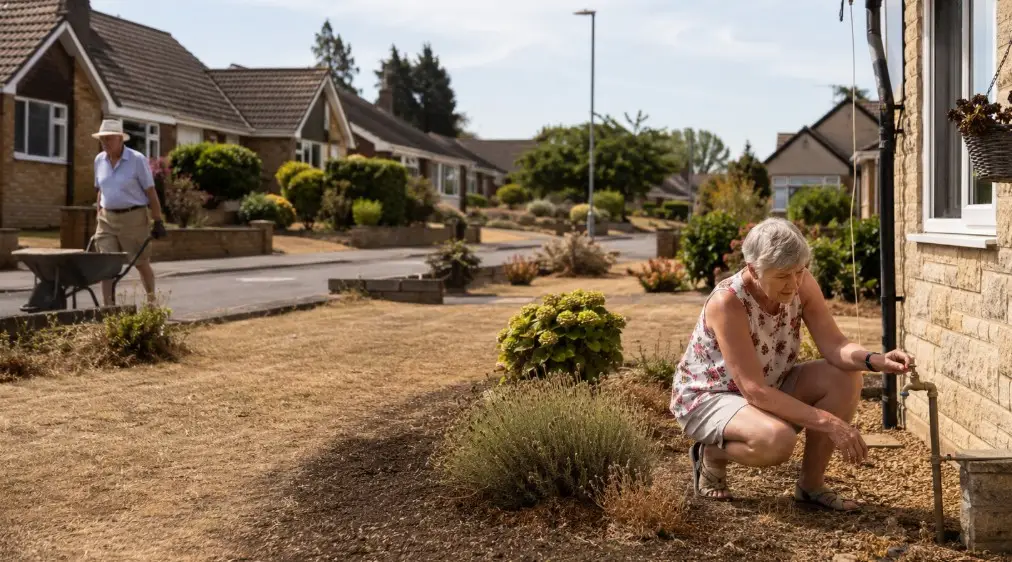
South East Water has introduced temporary hosepipe restrictions across parts of Kent and Sussex after an exceptionally dry spring and early summer placed significant pressure on local water supplies.
The company says demand has surged during recent hot weather, while reservoir and groundwater levels remain under strain. Although the restrictions are designed to protect essential water supplies, they have raised questions for households, gardeners and small businesses across the region.
What Is the South East Water Hose Ban and Why Has It Been Introduced?
The South East Water hose ban, officially known as a Temporary Use Ban (TUB), was introduced after an extended period of dry weather combined with exceptionally high water demand across Kent and Sussex.
The restrictions are designed to protect local water supplies and help maintain essential services while pressure on the network remains elevated. Recent hot weather has significantly increased water consumption throughout the region.
South East Water reported that demand reached approximately 670 million litres in a single day, nearly 100 million litres above the normal seasonal average. As a result, some customers experienced low water pressure and temporary supply interruptions.
Matthew Dean, Head of Operations Control at South East Water, said the company had prepared for the forecast heat by increasing output at treatment works and deploying additional tanker support across the network.
Key reasons behind the restrictions include:
- Prolonged dry conditions reducing available water resources.
- Record levels of customer demand during hot weather.
- Falling storage levels in some parts of Kent.
- The need to prioritise water for drinking, cooking and washing.
The measures are intended to reduce strain on the network until conditions improve.
Which Areas Are Affected by the South East Water Hose Ban?
The restrictions affect customers supplied by South East Water in parts of Kent and Sussex.
While the exact coverage depends on local supply zones, the company has focused on areas experiencing the greatest strain on water resources and network capacity.
Customers are encouraged to check their postcode using South East Water’s online updates to confirm whether restrictions apply to their property.
The measures follow a period during which hundreds of homes across Kent and Sussex experienced water outages or reduced pressure during exceptionally warm weather.
What Activities Are Restricted Under the Hosepipe Ban?
The hose ban limits several common household and garden activities that rely on hosepipes.
Permitted Water Usage
Customers can continue using water for essential daily needs, including:
- Drinking water
- Cooking and food preparation
- Personal washing and hygiene
- Toilet flushing
- Necessary cleaning for health and safety reasons
South East Water has repeatedly stressed that essential use remains the priority throughout the restrictions.
Activities That Are Not Allowed
The restrictions generally prohibit:
- Watering gardens with a hosepipe
- Filling paddling pools
- Washing private vehicles with a hosepipe
- Using sprinklers
- Operating jet washers for routine cleaning
In communications to customers, South East Water urged residents to avoid hosepipes and jet washers where possible. The company also suggested using recycled household water for gardens and replacing paddling pools with alternative ways to stay cool.
Why Is South East Water Facing Water Supply Pressures in 2026?
Several factors are contributing to South East Water’s supply pressures in 2026. One of the main issues is the prolonged dry weather across Kent and Sussex, which has reduced groundwater levels and slowed the natural replenishment of water resources.
At the same time, hotter temperatures have led to increased water use in homes and gardens.
South East Water reported a significant rise in demand during recent heatwaves, placing extra pressure on storage facilities and distribution networks.
Key factors include:
- Dry weather reducing groundwater recharge.
- Increased water use during hot conditions.
- Higher demand putting pressure on local supplies.
- Growing long-term pressures on regional water resources.
The issue also reflects a wider national challenge. People in the UK use around 140 litres of water per day on average, while the government aims to reduce this to 122 litres by 2038.
In addition, the House of Lords Environment and Climate Change Committee has warned that England could face substantial water shortages in the coming decades without improved conservation measures and infrastructure investment.
How Could the South East Water Hose Ban Affect Households?
For most households, the immediate impact will be felt in gardens and outdoor activities.
Residents who normally use hosepipes for watering plants, cleaning patios or washing cars will need to find alternative methods. Watering cans, buckets and collected rainwater may become more important during the restriction period.
Families with young children may also need to adjust summer plans. South East Water specifically encouraged customers to consider alternatives to filling paddling pools.
The restrictions arrive at a time when many residents are already concerned about supply reliability. Some customers experienced disruptions during recent periods of high demand, leading to frustration about the resilience of local infrastructure.
Public reaction has been mixed. While many customers recognise the need to conserve water during dry weather, others have questioned why shortages continue to occur during predictable summer demand peaks.
What Does the Hosepipe Ban Mean for Small Businesses?
Small businesses across Kent and Sussex may need to review their water usage practices while restrictions remain in place.
Impact on Different Business Sectors
The impact varies depending on the industry. Landscaping businesses, garden centres, vehicle-related services and hospitality venues with outdoor spaces may notice the greatest operational challenges.
Businesses that depend heavily on outdoor water use may need to adapt working practices to remain compliant. Meanwhile, office-based businesses and many retailers are likely to experience minimal disruption beyond general conservation efforts.
Companies should carefully review any exemptions that may apply to commercial activities and consult South East Water’s guidance before making operational decisions.
Practical Ways Businesses Can Reduce Water Usage
Businesses can take several practical steps:
- Fix leaks promptly
- Reduce unnecessary cleaning activities
- Use water-efficient equipment
- Reuse suitable greywater where appropriate
- Monitor daily consumption
- Educate employees about conservation measures
Even modest reductions across thousands of businesses can significantly reduce demand on local water supplies.
| Water-Saving Measure | Potential Benefit |
| Leak detection | Prevents unnecessary water loss |
| Efficient taps and fittings | Reduces daily consumption |
| Staff awareness campaigns | Encourages behavioural change |
| Reusing suitable water | Supports conservation efforts |
| Consumption monitoring | Identifies waste quickly |
How Long Is the South East Water Hose Ban Expected to Last?
The duration depends largely on weather conditions, rainfall levels and customer demand. South East Water has stated that restrictions will remain under review and may be adjusted as circumstances change. Significant and sustained rainfall would help replenish water resources, but recovery can take time, particularly where groundwater supplies are involved.
Customers should expect regular updates from the company as conditions develop throughout the summer.
Because water resources respond differently across regions, restrictions may remain in place longer than some residents expect, even after rainfall returns.
What Can Customers Do to Help Conserve Water During the Restrictions?
Customers can make a meaningful contribution by reducing non-essential water use.
Simple actions include:
- Taking shorter showers
- Turning off taps while brushing teeth
- Running washing machines only with full loads
- Collecting rainwater for gardens
- Reusing suitable household water outdoors
- Avoiding unnecessary outdoor water use
South East Water has repeatedly emphasised that conserving water helps maintain supplies for essential purposes such as drinking, cooking and washing.
The company has encouraged customers to think carefully about where treated drinking water is truly necessary and where alternative water sources may be appropriate.
Confirmed Facts, Proposed Changes and Common Misconceptions

Confirmed Facts
- South East Water has introduced hosepipe restrictions in affected areas.
- Demand has increased significantly during recent hot weather.
- Some customers experienced low pressure and supply interruptions.
- Essential water use remains permitted.
- Outdoor hosepipe activities are restricted under the ban.
Proposed Changes
- Greater investment in water infrastructure.
- Increased public awareness campaigns about water conservation.
- Long-term measures to reduce average household water consumption.
- Additional water resource projects to improve resilience.
Common Misconceptions
One common misconception is that a hosepipe ban means households cannot use water normally. In reality, essential activities such as drinking, cooking and personal hygiene remain unaffected.
Another misunderstanding is that a single period of rainfall immediately solves supply issues. Water resource recovery often takes much longer, particularly when groundwater levels have been depleted over extended dry periods.
Finally, some people assume hosepipe restrictions are purely precautionary. In practice, they are typically introduced when water companies identify genuine risks to supply stability and network resilience.
Conclusion
The South East Water hose ban reflects growing pressure on regional water supplies during periods of hot, dry weather. While the restrictions may be inconvenient for some households and businesses, they are intended to protect essential services and reduce the risk of wider supply disruptions.
As demand continues to rise and long-term water challenges become more visible, conservation measures are likely to remain an important part of managing water resources across the South East.
FAQs
Does the hosepipe ban affect drinking water quality?
No. The restrictions focus on reducing demand and protecting supplies. Drinking water quality standards remain unchanged.
Can customers water plants using a watering can?
Yes. Restrictions generally apply to hosepipes and similar equipment rather than manual watering methods.
Are businesses automatically exempt from the ban?
Not necessarily. Some commercial activities may have exemptions, but businesses should review official guidance carefully.
Why are water shortages occurring despite modern infrastructure?
Population growth, climate pressures, drought conditions and rising demand can all place strain on water systems.
Could the restrictions be expanded if conditions worsen?
Yes. Water companies may introduce additional measures if demand continues to exceed available resources.
What is the difference between a drought and a hosepipe ban?
A drought is an environmental condition, while a hosepipe ban is a management measure used to reduce water demand.
How can households prepare for future restrictions?
Installing water-efficient devices, fixing leaks and developing conservation habits can help reduce future disruption.

Jermaine writes informative business content related to entrepreneurship, finance, innovation, operations, and emerging opportunities for growing businesses in the UK.

Does Gross Misconduct Always Lead to Dismissal?
No. Gross misconduct does not always lead to dismissal. It can be serious enough to justify dismissal without notice, including for a first offence, but an employer should…
Andy Burnham Whitehall Job Cuts Begin Under Devolution Push
Andy Burnham’s government has begun the first operational stage of its Whitehall devolution push, with civil servants due to be seconded into regional mayoral authorities from autumn 2026.…
Insights for the Modern
UK Small Business.
Join 15,000+ owners receiving tactical analysis on finance, marketing, and technology. No clutter.
Zero spam. Unsubscribe in one click.