Teachers Pay Rise 2026: Unions Warn on Strike Threat Crisis


The proposed teachers pay rise 2026 in England has already triggered major debate between the government, schools and teaching unions. Current recommendations suggest a 6.5% pay award spread across three academic years, but unions argue the increase will not keep pace with inflation or rising workloads.
The issue has become increasingly important as schools continue facing recruitment problems, budget pressures and concerns about staff retention.
Key points include:
- The government has proposed a 6.5% pay rise over three years
- The NEU says the offer is below inflation
- Teachers could vote on strike action in autumn 2026
- Schools warn unfunded pay rises may create budget pressures
- Recruitment and retention concerns remain central to negotiations
Education experts believe the final decision could shape the future of teaching across England for years ahead.
What Is the Proposed Teachers Pay Rise for 2026 in England?

The proposed teachers pay rise 2026 forms part of a wider government recommendation covering the 2026-27, 2027-28 and 2028-29 academic years.
According to Department for Education submissions to the School Teachers’ Review Body (STRB), the suggested package would provide a total 6.5% salary increase over the three-year period.
The government argues the gradual approach gives schools more time to adjust budgets and staffing plans. However, teaching unions believe spreading the increase across several years weakens its value, especially as inflation continues affecting household costs across the UK.
The proposal applies mainly to teachers in England working under national pay arrangements.
Academy schools may still make independent decisions depending on local funding and staffing needs. School leaders also remain concerned about whether additional funding will fully cover the recommended increases.
Why Are Teachers and School Staff Considering Strike Action in 2026?
Teachers and support staff are considering industrial action because many believe salaries are failing to reflect increasing workloads and living costs. Unions argue schools are already struggling with staff shortages, growing responsibilities and limited funding.
The National Education Union has warned that unfunded below-inflation pay awards could worsen the recruitment and retention crisis already affecting many schools across England.
Key concerns include:
- Teacher salaries not matching inflation rates
- Increased classroom workload pressures
- Budget shortages affecting staffing decisions
- Concerns over redundancies in some schools
- Rising stress and wellbeing challenges
NEU general secretary Daniel Kebede said, “No member wants to be taking strike action, but pay and workload issues have fuelled a recruitment and retention crisis.” He also stated that schools “do not have the money to fund” below-inflation increases without government support.
Many teachers believe industrial action may become unavoidable if negotiations fail later in the year.
How Much Pay Rise Has the Government Recommended for Teachers?
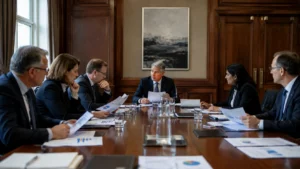
The government’s proposal for teachers pay rise 2026 has become one of the biggest education debates in England. Ministers believe the suggested increase balances public spending pressures with the need to support schools and teaching staff.
What Does the Proposed 6.5% Pay Award Cover?
The recommended package would increase teacher salaries over three academic years rather than through one immediate rise. Officials argue this phased approach helps schools prepare financially while maintaining workforce stability.
The proposal includes:
- Classroom teachers
- Leadership pay ranges
- Experienced teaching staff
- Newly qualified teachers
Support staff negotiations may follow separate arrangements depending on local authority agreements and academy policies.
How Would the Pay Increase Be Spread Across 2026 to 2029?
The Department for Education confirmed the largest percentage increases may arrive later in the three-year plan. Government officials believe delaying larger rises allows schools additional time to adapt budgets and staffing structures.
The phased strategy could also reduce immediate pressure on public finances. However, critics argue delayed increases reduce the real value of salaries if inflation rises further during the same period.
School leaders have warned that uncertainty around future funding could create difficulties when planning recruitment or long-term staffing commitments.
Why Are Teaching Unions Calling the Proposal Below Inflation?
Teaching unions argue the proposed salary increase will not match rising living expenses across the UK. Inflation remains a major concern after energy costs and wider economic pressures affected households throughout recent years.
Daniel Kebede described the recommendation as “an insult” and warned schools could face additional workload pressures if staff continue leaving the profession.
The NEU also believes:
- Teachers have experienced years of declining real earnings
- Pay growth remains weaker than inflation forecasts
- Existing school budgets cannot absorb additional costs
A Department for Education spokeswoman responded by saying strike action would ultimately affect “children, young people and hard-working parents”.
Why Is Inflation a Major Factor in the Teachers Pay Rise Debate?
Inflation has become central to the teachers pay rise 2026 debate because rising prices directly affect the real value of salaries.
Although wage increases may appear positive on paper, unions argue teachers effectively lose spending power when inflation grows faster than pay.
The Consumer Prices Index reached 3.3% earlier in the year, while the Bank of England warned further increases could follow due to global energy pressures.
Teachers say rising mortgage payments, food prices and transport costs continue placing pressure on household finances.
Education unions say inflation is also increasing school costs, including utilities, resources and daily operations, reducing available funding for staffing and classroom support. Many teachers believe inflation-linked pay rises would offer better long-term financial security.
What Are Teaching Unions Saying About the 2026 Teacher Pay Offer?

Teaching unions have strongly criticised the proposed teachers pay rise 2026, arguing it does not properly address falling real wages, staffing shortages or increasing workloads across England’s schools.
The National Education Union (NEU) says another below-inflation settlement could damage morale and worsen the recruitment and retention crisis already affecting education.
NEU general secretary Daniel Kebede said, “Unfunded below-inflation pay increases are an insult,” adding that the government should provide “the properly funded education system our children and young people deserve.”
An earlier informal ballot among NEU members showed strong support for possible industrial action if negotiations fail. Around 90.5% of participating teachers backed potential strikes, while turnout reached 48.6%, highlighting growing frustration within the profession.
Key concerns raised by unions include:
- Rising workload pressures
- Concerns over future school funding
- Declining real earnings due to inflation
- Risks of losing experienced teachers
Education experts warn further strike action could happen again during 2026 if negotiations between unions and the government fail to improve.
How Could the Teachers Pay Rise Affect Schools and Education Budgets?
School leaders warn that unfunded teacher pay rises could place extra pressure on already stretched education budgets. Many schools are also facing higher costs for energy, classroom resources and support services.
If the government does not fully fund salary increases, schools may need to cut spending elsewhere. Some leaders fear this could lead to staffing reductions, larger class sizes or fewer extracurricular activities.
Education unions argue schools should not fund national pay awards from existing budgets, while smaller schools and academy trusts may struggle most with rising salary costs and ongoing financial pressures.
What Is the Role of the School Teachers’ Review Body (STRB)?
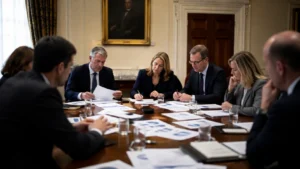
The School Teachers’ Review Body plays an important role in deciding teacher salary recommendations in England. Each year, the independent body reviews evidence submitted by the government, teaching unions and education organisations before making official proposals.
The process usually includes:
- Reviewing inflation forecasts
- Analysing recruitment trends
- Assessing teacher retention data
- Considering school funding pressures
Although the STRB recommends teacher pay increases, ministers make the final decision, meaning political and economic factors can still affect outcomes.
Unions want greater focus on workload and wellbeing, while schools rely on STRB decisions for future staffing and budget planning.
How Have Teacher Pay Rises Changed in Previous Years?
Teacher salary increases have varied significantly in recent years as governments responded to inflation, industrial action and wider economic conditions. Recent disputes have shaped current negotiations surrounding teachers pay rise 2026.
| Year | Teacher Pay Rise | Key Development |
| 2023 | 6.5% | Revised offer after NEU strike action |
| 2024 | 5.5% | Government approved national pay increase |
| 2025 | 4% | Lower increase amid funding concerns |
| 2026 | Proposed 6.5% over three years | Unions argue it is below inflation |
The 2023 strikes marked one of the most significant education disputes in recent years. After several days of industrial action, ministers improved the original offer following negotiations with unions.
Since then, teaching organisations have continued arguing that salary growth still fails to match long-term inflation and workload pressures.
Many teachers also believe repeated disputes reflect deeper problems within education funding and workforce planning across England.
How Could the 2026 Teachers Pay Rise Impact Recruitment and Retention?

Teacher recruitment and retention in 2026 are expected to depend heavily on salary decisions. Many schools already face shortages in subjects like maths, science and languages, while unions say better pay is needed to attract graduates and retain experienced teachers.
Rising workloads and wellbeing concerns have also increased resignations across the sector.
School leaders warn that ongoing uncertainty over teacher salaries could discourage new entrants, especially in rural and disadvantaged areas, where staffing pressures remain highest and schools continue struggling to maintain stable teaching teams.
What Does the Government Say About Teacher Salaries and School Funding?
The government says it remains committed to restoring teaching as a respected and attractive profession. Officials argue recent pay awards, combined with workload reforms and behaviour policies, are designed to improve working conditions for teachers.
A Department for Education spokeswoman stated, “We’ve taken action to restore teaching as the highly valued profession it should be.” The department also warned industrial action would negatively affect pupils and families across England.
Ministers believe phased salary increases provide schools with greater financial stability while protecting wider public spending priorities. However, unions continue arguing that schools require additional funding to implement future pay awards without reducing services or staffing levels.
Government officials are expected to continue negotiations with education unions before final recommendations are confirmed later in the academic year.
Conclusion
The teachers pay rise 2026 debate remains a major issue for England’s education sector. While the government supports a phased 6.5% increase, unions argue it falls below inflation and fails to solve recruitment, retention and workload pressures.
As negotiations continue, schools, parents and teachers are waiting for the final decision from the government and the School Teachers’ Review Body, which could shape the future of teaching across England.
FAQs About Teachers Pay Rise 2026
Will all teachers in England receive the 2026 pay rise?
Most teachers working under national pay arrangements in England are expected to receive the proposed increase. However, academy schools may apply different salary structures depending on local decisions and budgets.
When will the final teacher pay award for 2026 be confirmed?
The final decision is expected after recommendations from the School Teachers’ Review Body are reviewed by ministers. Official confirmation will likely happen before the new academic year begins.
Why are teaching unions unhappy with the proposed pay increase?
Teaching unions argue the proposed rise does not match inflation or rising living costs. They also believe schools lack enough funding to implement the increases properly.
Could schools face closures because of teacher strikes?
Schools may temporarily close or reduce classroom activity if national strike action takes place. Similar disruptions happened during previous teacher strikes in 2023.
How does inflation affect teacher salaries in the UK?
Inflation reduces the real value of salaries when prices rise faster than wages. Teachers say this has made household expenses increasingly difficult to manage.
What is the role of the NEU in teacher pay negotiations?
The National Education Union represents teachers during salary and workload negotiations with the government. It also organises ballots and industrial action discussions when disputes continue.
Are support staff included in the pay discussions?
School support staff may be involved in separate local government or academy pay negotiations. Their salary arrangements often differ from national teacher pay structures.

Jermaine writes informative business content related to entrepreneurship, finance, innovation, operations, and emerging opportunities for growing businesses in the UK.

DWP Universal Credit Rollout End: Is the Move to Universal Credit Finally Finished?
The DWP Universal Credit rollout has officially finished, ending a programme that began in 2013. DWP completed its exercise to contact remaining legacy-benefit claimants in late March 2026,…

Andy Burnham Cash ISA Rules: What Changes for UK Savers?
Searches for Andy Burnham cash ISA rules centre on a practical question: will savers still be able to put £20,000 a year into tax-free cash savings? Under the…
Insights for the Modern
UK Small Business.
Join 15,000+ owners receiving tactical analysis on finance, marketing, and technology. No clutter.
Zero spam. Unsubscribe in one click.