Modella Capital Set to Take Over Flying Tiger in Major Rescue Deal

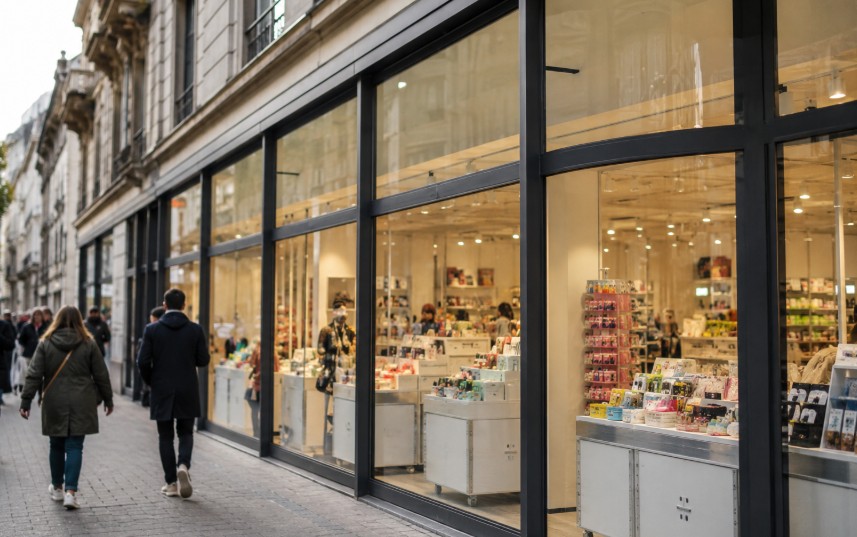
The short answer is that the Modella Capital Flying Tiger acquisition appears to be a strategic attempt to expand Modella’s retail footprint while giving Flying Tiger access to new ownership after a recent restructuring.
Although the deal has been widely reported, it remains a proposed transaction rather than a completed change of ownership at the time of writing.
Key takeaways:
- Modella Capital is reportedly nearing a deal with Flying Tiger’s owners.
- Flying Tiger operates around 900 stores globally, including 80 in the UK.
- The move could significantly increase Modella’s international retail presence.
- No confirmed UK store closure plans have been announced for Flying Tiger.
- Customers and employees should separate confirmed facts from market speculation.
Why Is Modella Capital Interested in Buying Flying Tiger?

The reported interest appears to go beyond adding another UK retail brand. Flying Tiger would provide Modella with a larger international operating base and access to markets where the retailer already trades directly and through franchise partnerships.
Flying Tiger also brings an established customer identity built around value-led shopping and impulse purchases. Unlike distressed retail assets that require rebuilding from the ground up, Flying Tiger enters discussions with recognised branding and substantial annual revenue.
Industry observers have linked the interest to Modella’s wider strategy of acquiring retail businesses with turnaround or growth potential.
At the same time, previous restructuring activity across Modella-backed businesses means analysts and customers are watching carefully to see whether expansion or operational changes become the priority.
What Is Flying Tiger and How Did It Become a Major Retail Brand?

Flying Tiger has become one of Europe’s most recognisable value retail concepts by combining low-cost products with an experience-led shopping format.
How Did Flying Tiger Grow From Copenhagen to International Markets?
Flying Tiger traces its roots to Copenhagen and opened its first dedicated store in 1995 after its founders developed a discount retail concept built around accessible design. Over time, the business expanded across Europe before entering additional international markets.
Key growth drivers included:
- Consistent low-price positioning
- Distinct Scandinavian product design
- Expansion through owned stores and franchise partnerships
- Strong seasonal and impulse purchasing categories
The retailer later evolved into a global operation serving millions of customers annually.
What Makes Flying Tiger Different From Traditional High Street Retailers?
Flying Tiger stands apart because it blends affordability with discovery-based shopping.
Its stores are widely recognised for:
- Maze-style layouts that encourage browsing
- Frequent product rotation
- Categories that combine stationery, décor, gifts and household items
This approach helped Flying Tiger become more than a stationery retailer and positioned it as an experience-focused brand within changing high street environments.
What Has Been Confirmed About the Proposed Acquisition Deal?
Reports consistently indicate that Modella Capital is in advanced discussions to acquire Flying Tiger from Danske Bank and Nordea. Sources suggest an announcement could follow if negotiations conclude successfully.
Confirmed reporting also shows:
- Flying Tiger underwent restructuring in 2025.
- New leadership arrangements followed.
- Financial advisers explored ownership options during 2026.
What remains unconfirmed is whether ownership has formally transferred and whether operational changes would follow. That distinction matters because acquisition discussions and completed transactions can lead to very different outcomes for stores, staff and customers.
How Could the Acquisition Change Modella Capital’s Retail Portfolio?

If completed, Flying Tiger could become one of Modella’s most internationally visible assets.
How Would Flying Tiger Expand Modella’s International Presence?
Flying Tiger’s network reportedly spans direct operations across European markets alongside franchise activity in Israel, Vietnam and the Philippines.
Potential portfolio benefits include:
- Greater geographic diversification
- Access to established international supply networks
- Exposure to multiple consumer categories
This would represent a noticeable shift from Modella’s stronger UK retail focus.
How Does This Compare With Previous Modella Retail Acquisitions?
Modella has previously acquired businesses including former WH Smith high street stores and Claire’s UK operations. Unlike those deals, Flying Tiger enters discussions with broader international reach and a more distinctive retail identity. That difference may shape how investors and customers judge future performance.
What Does Modella Capital’s Track Record Say About Future Expectations?
Modella’s recent activity shows a willingness to acquire recognisable retail names while pursuing operational changes afterwards. Past outcomes have produced mixed reactions.
Points often raised include:
- Investment into existing retail businesses
- Restructuring initiatives after acquisitions
- Focus on long-term commercial viability
Modella previously argued that weak consumer confidence and wider policy pressures had affected trading conditions. For Flying Tiger, expectations may depend less on the acquisition announcement and more on what happens in the months after any ownership change.
What Could This Acquisition Mean for Flying Tiger’s UK Stores and Employees?
At present, no confirmed plan suggests closures across Flying Tiger’s UK estate. However, acquisition announcements naturally create questions around staffing, investment and store strategy.
Possible areas people will watch include:
- Continuity of store operations
- Investment into existing locations
- Future hiring and expansion decisions
Retail specialists often note that acquisitions do not automatically mean contraction. In some cases, new ownership focuses on stabilisation and growth before making larger structural decisions. Until formal announcements are made, assumptions about widespread store changes should be treated cautiously.
How Does Flying Tiger’s Financial Position Influence the Deal?

Flying Tiger’s financial profile appears central to acquisition interest. The business generated revenue exceeding 5.2 billion Danish krone (around £600 million) and continued international growth despite undergoing restructuring and receiving additional capital support.
That combination creates an unusual position: a recognised consumer brand with operational scale but recent ownership changes. Rather than representing a distressed exit alone, the business may also present a platform for expansion. For investors, scale and brand recognition can matter as much as short-term restructuring activity.
Why Is the UK High Street Seeing More Retail Acquisitions and Restructuring?
The UK retail environment has become increasingly shaped by changing shopping habits, rising costs and pressure on physical stores. Many investors now look for opportunities to buy established brands instead of building new ones.
Recent themes include:
- Portfolio consolidation
- Cost restructuring
- Multi-brand retail ownership
Retail leaders have repeatedly highlighted difficult trading conditions. This context helps explain why transactions involving established chains continue attracting attention across the high street.
What Risks and Opportunities Could Come From the Modella Capital Flying Tiger Acquisition?
Every retail acquisition creates both potential upside and uncertainty.
Possible opportunities:
- Faster international growth
- Greater investment capacity
- Expanded market reach
Potential risks:
- Integration challenges
- Customer perception changes
- Pressure from future restructuring
One retail observer quoted in reporting described current conditions as an environment requiring businesses to adapt quickly rather than preserve legacy structures. The outcome will ultimately depend on execution rather than announcement headlines.
What Information Is Confirmed, What Is Proposed, and What Should Be Treated Carefully?

When following acquisition news, separating evidence from assumptions is essential.
| Category | Current Position |
| Confirmed | Reports state Modella is in advanced discussions with owners |
| Proposed | Completion timing and future integration plans |
| Not confirmed | UK closures, job losses, brand changes |
Current reporting supports ongoing negotiations and Flying Tiger’s recent restructuring. However, commentary suggesting automatic closures or dramatic business changes remains speculative unless formally announced.
This distinction helps readers understand the difference between business reporting and prediction.
What Could Happen Next Following the Flying Tiger Acquisition Discussions?
The next stage will likely depend on whether a formal agreement is announced.
If completed, attention may shift towards:
- Ownership transition
- Leadership communication
- Investment priorities
- Store strategy
Customers may notice little immediate change because retail acquisitions often progress over time. For now, the most practical approach is to monitor official announcements rather than react to speculation.
Conclusion
The Modella Capital Flying Tiger acquisition has become one of the most closely watched retail stories because it combines international expansion ambitions with questions about the future of the UK high street.
What is known today is that discussions have been widely reported and Flying Tiger remains an established international retailer with recognised consumer appeal. What remains unknown is how ownership, operations and long-term strategy could evolve if the transaction completes.
Until formal confirmation arrives, the clearest approach is to focus on verified developments and avoid assumptions about outcomes.
FAQs
Has Modella Capital officially completed the Flying Tiger acquisition?
At the time of writing, public reporting indicates that discussions and negotiations have taken place, but formal completion has not been broadly confirmed through an official announcement. Readers should follow company statements and verified business updates for the latest status.
Who currently controls Flying Tiger?
Flying Tiger underwent a financial restructuring that resulted in ownership involvement from banking stakeholders and company leadership arrangements. Reports have stated that ownership discussions have continued following that restructuring process.
Will Flying Tiger stores remain open in the UK?
There has been no confirmed announcement stating that Flying Tiger’s UK stores will close because of the proposed acquisition discussions. Customers should avoid assuming operational changes until official decisions are communicated.
How many Flying Tiger stores operate globally?
Flying Tiger operates approximately 900 stores worldwide across company-owned locations and franchise markets. Its footprint includes around 80 stores in the UK alongside broader international expansion.
Why does Modella Capital acquire retail businesses?
Modella Capital is known for acquiring established retail brands that may offer turnaround, restructuring or growth opportunities. The approach typically focuses on improving long-term commercial performance and expanding market presence.
Could this deal affect Flying Tiger customers?
Customers may not notice immediate changes because acquisitions often take time to influence day-to-day retail operations. Any future adjustments would normally be communicated through official business updates.
What does this mean for the future of the British high street?
The reported transaction reflects a wider trend of investors reshaping established retail businesses rather than creating new chains from scratch. It also highlights how ownership changes are becoming a more common feature of the modern UK high street.

Jermaine writes informative business content related to entrepreneurship, finance, innovation, operations, and emerging opportunities for growing businesses in the UK.
Andy Burnham Whitehall Job Cuts Begin Under Devolution Push
Andy Burnham’s government has begun the first operational stage of its Whitehall devolution push, with civil servants due to be seconded into regional mayoral authorities from autumn 2026.…

Andy Burnham Bank Tax: Could Higher Levies Drive Banks Out of Britain?
JPMorgan chief Jamie Dimon has warned Chancellor John Healey against raising taxes on banks ahead of the 28 October Budget, while former NatWest chairman Sir Howard Davies has…
Insights for the Modern
UK Small Business.
Join 15,000+ owners receiving tactical analysis on finance, marketing, and technology. No clutter.
Zero spam. Unsubscribe in one click.