UK Visa Portal Data Leak Exposes Passports and Selfies of Applicants

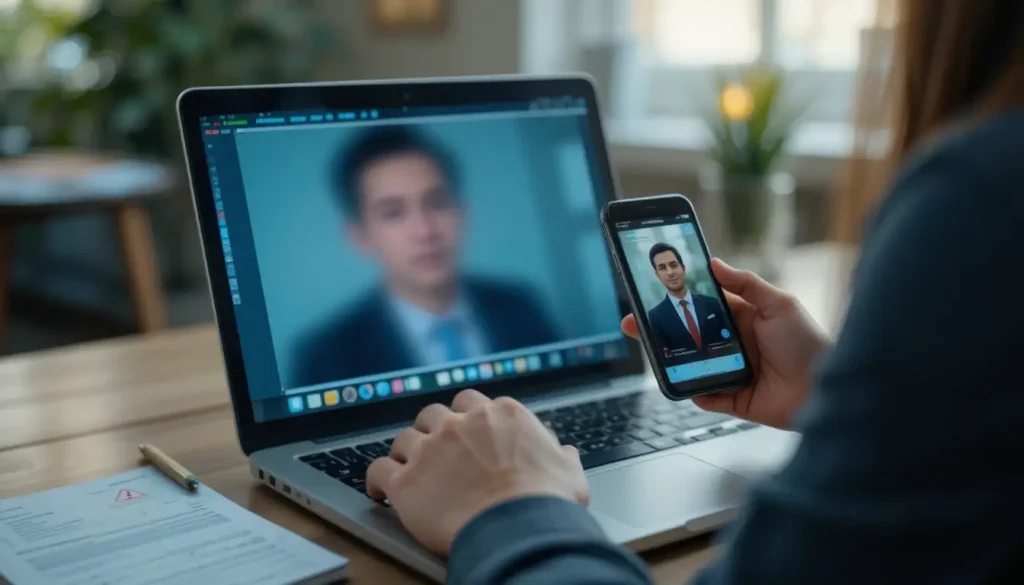
The UK visa portal data leak reportedly exposed sensitive applicant documents, including passports, selfies, photos, addresses and contact details, after a third-party visa website stored files in an unsecured cloud repository.
The website was separate from the official UK government service, but some applicants may have used it believing it was the correct route. This incident creates serious risks of identity theft, fraud and targeted scams.
Key takeaways:
- At least 100,000 documents were reportedly exposed.
- The leak involved passport pages, verification selfies and contact details.
- A misconfigured cloud repository made files publicly accessible.
- Predictable URLs may have made documents easier to find.
- Affected applicants should secure accounts and monitor financial activity.
- Visa applicants should use official “gov.uk” services where possible.
What Happened in the UK Visa Portal Data Leak?
The UK visa portal data leak happened after a third-party website reportedly stored applicant documents in a cloud repository that was not properly secured. The files were not protected by a password, meaning anyone with a direct link could potentially access and view them.
This was not a small technical mistake. Visa applications often involve some of the most sensitive forms of personal information, including identity documents, photographs, home addresses and contact details.
When this type of data is exposed, the consequences can continue for years because documents such as passports cannot be changed as easily as passwords.
The third-party website was reportedly used by some applicants who may have believed they were using the correct route for UK travel authorisation or visa support. However, the website was separate from the official UK government service.
Exposure Through an Unsecured Cloud Repository
A cloud storage repository is often used to store files online, such as scanned documents, application forms and uploaded images. When configured correctly, only authorised users should be able to access those files.
In this case, the cloud storage was reportedly public. That means the documents were not properly restricted. For applicants, this could mean that private identity files were visible to people who had no right to see them.
Why Predictable URLs Made the Risk Worse?
The risk became more serious because the file structure reportedly used predictable URLs. This means someone may not have needed to receive a specific link to find exposed documents. They could potentially guess or work out similar links based on the URL pattern.
A cybersecurity consultant explained the seriousness of this type of exposure clearly:
“When identity documents are stored behind predictable links, the issue becomes more than accidental exposure. I would treat it as a serious security failure because attackers may be able to automate access and collect large numbers of files quickly.”
What Types of Documents Were Exposed in the UK Visa Portal Data Leak?
The visa portal data leak reportedly exposed a wide range of personal and identity documents. The most concerning files included passport scans and verification selfies, which are commonly used to prove a person’s identity during online applications.
The exposed information reportedly included:
- Passport pages showing full names, passport numbers and nationalities
- Dates of birth, places of birth and passport issue or expiry dates
- Photos and verification selfies
- Home addresses, phone numbers and email addresses
- Other visa application information and supporting documents
This combination of data is particularly risky because it can give criminals enough information to impersonate a person, open accounts, target victims with scams or attempt financial fraud.
A passport number on its own is sensitive, but a passport scan combined with a selfie and contact details is far more valuable to fraudsters. It can help them bypass identity checks, especially on platforms that still rely heavily on document uploads and facial verification.
Why Is the UK Visa Portal Data Leak a Serious Privacy Risk?
The visa portal data leak is serious because it reportedly involved personally identifiable information, often known as PII. This is information that can be used to identify, contact or impersonate a person.
Unlike a leaked email address, passport data and identity photos are difficult to replace. A person can change a password within minutes, but changing a passport takes time, money and official processing. Even after a new passport is issued, the exposed copy may still be used in fraud attempts or social engineering scams.
Identity Theft and Financial Fraud Concerns
Cybercriminals may use exposed personal details to apply for financial products, create fake accounts or pass identity checks. They may also combine leaked data with information from other breaches to build a fuller profile of a victim.
Common risks include:
- Identity theft using passport details
- Fake account creation
- Targeted phishing emails or calls
- Loan or credit application fraud
- Account recovery attacks using personal information
- Immigration-related scams targeting affected applicants
For applicants who used the third-party portal, the safest approach is to assume their details may have been viewed and take preventive action.
Risks Linked to Passport and Selfie Exposure
Verification selfies are especially sensitive because they connect a real face to an official identity document. This can be misused in fake verification attempts or used to make scams more convincing.
A data protection adviser described the risk in simple terms:
“I would be more concerned about a passport scan and selfie leak than a basic contact-detail breach. Together, they give criminals a stronger identity package, and victims may not notice the damage until much later.”
Was the Website Connected to the Official UK Government Visa Service?
The website involved in the UK visa portal data leak was reportedly a third-party platform, not the official UK government visa website.
This distinction matters because many applicants may not realise that some websites use official-sounding names while operating separately from government services.
A user searching online for visa help can easily land on a third-party site, especially if the website appears professional or uses terms similar to government language.
The official UK government route for services such as Electronic Travel Authorisation is provided through government-controlled platforms. The reported third-party website was separate from that official process.
For applicants, this means it is important to check the web address carefully before submitting personal documents. Government websites in the UK usually use the “gov.uk” domain. If a website asks for passport scans, selfies or payment details but does not clearly belong to the official government domain, applicants should pause and verify it before continuing.
How Could Applicants Have Been Misled by the Third-Party UK Visa Portal?
Applicants may have used the third-party website because it appeared to offer support for UK visa or travel authorisation applications. In stressful situations, such as preparing for travel, work, study or family visits, people may act quickly and assume that a professional-looking website is official.
The confusion may also come from the wording used by third-party services. Names that include “UK”, “visa” or “portal” can sound official, even when the service is privately operated. Some users may not understand the difference until after they have submitted documents or paid a fee.
This is why digital trust is so important. Visa applicants are often required to upload highly sensitive information, and they may reasonably expect any platform handling these documents to have strong security controls in place.
The visa portal data leak shows how dangerous it can be when a website handling identity documents does not meet appropriate security standards.
What Should Affected UK Visa Applicants Do Now?
Anyone who believes they used the affected third-party website should take immediate steps to reduce the risk of fraud. While exposed documents cannot be fully “unleaked”, applicants can make it harder for criminals to misuse their information.
Secure Online Accounts Immediately
Affected individuals should update passwords on important accounts, especially email, banking and government-related services. Email accounts are particularly important because they are often used for password resets and identity verification.
They should also enable multi-factor authentication wherever possible. Passkeys or authenticator apps are usually stronger than SMS codes, although any extra layer is better than relying only on a password.
Monitor Credit and Financial Activity
Victims should keep an eye on bank accounts, credit reports and unusual financial activity. Suspicious transactions, unexpected account notifications or unfamiliar credit checks should be treated seriously.
Practical steps include:
- Checking bank and credit card statements regularly
- Watching for unexpected emails about account creation
- Reporting suspicious activity to banks quickly
- Being cautious of calls or emails mentioning visa applications
- Avoiding links in unexpected messages about immigration or refunds
Affected individuals should also await formal notification if required under data protection rules. Organisations handling personal data may have legal duties to inform people when their information has been put at risk.
What Does the UK Visa Portal Data Leak Mean for Data Protection Compliance?
The visa portal data leak raises serious questions about data protection compliance. In the UK, organisations that collect and process personal data are expected to protect it with appropriate technical and organisational measures.
When passport scans, selfies and contact details are collected, the security expectations are high. These are not low-risk details. They are sensitive identity materials that can expose people to real harm if misused.
A key issue in this case is the reported lack of password protection and the use of a public cloud repository. If confirmed, this suggests a failure to apply basic access controls. Storing personal documents online requires careful permissions, encryption, audit logs and regular security testing.
From a compliance perspective, affected organisations may need to consider whether they reported the incident to the relevant regulator and whether affected individuals were notified in a timely manner. Data protection rules generally expect organisations to act quickly when a breach creates a risk to people’s rights and freedoms.
Conclusion
The visa portal data leak shows how quickly poor data security can put applicants at risk. Exposed passports, selfies, addresses and contact details can lead to identity theft, fraud and long-term privacy concerns.
Affected individuals should secure their accounts, monitor financial activity and stay alert for suspicious messages. For businesses, this incident is a strong reminder that sensitive customer data must be protected with secure storage, access controls and regular checks.
Frequently Asked Questions
What is the UK Visa Portal data leak?
The UK Visa Portal data leak refers to the reported exposure of sensitive documents from a third-party visa-related website. The exposed files reportedly included passports, selfies, photos, addresses, contact details and application information stored in an unsecured cloud repository.
Was the UK Visa Portal the official government visa website?
No, the website involved was reportedly a third-party platform and separate from the official UK government visa service. Applicants should use official government websites, usually ending in “gov.uk”, when applying for UK visa or travel authorisation services.
What personal information may have been exposed?
The exposed information reportedly included passport pages, full names, passport numbers, dates of birth, nationalities, places of birth, issue and expiry dates, verification selfies, email addresses, phone numbers and home addresses.
Can exposed passport details be used for identity theft?
Yes, exposed passport details can increase the risk of identity theft, especially when combined with selfies, contact details and addresses. Criminals may use this information to attempt fraud, create fake accounts or target victims with convincing scams.
What should someone do if they used the affected visa portal?
Anyone who used the affected platform should secure important online accounts, enable multi-factor authentication, monitor bank and credit activity and stay alert for suspicious emails, calls or messages. They should also watch for official notifications about the breach.
Are companies legally required to notify people after a data breach?
In many cases, organisations are required to notify affected individuals when a data breach creates a risk to their rights and freedoms. They may also need to report serious incidents to the relevant data protection authority within the required timeframe.
How can applicants check whether a visa website is genuine?
Applicants should check whether the website uses an official government domain, such as “gov.uk”, and compare the service details and fees with official government guidance. They should be cautious of websites that look official but are operated by private companies.
Why are selfies and passport scans dangerous when leaked?
Selfies and passport scans are dangerous when leaked because they can help criminals impersonate someone more convincingly. Together, they create a strong identity profile that may be misused for fraud, fake verification or targeted scams.

Jennifer contributes business-focused articles covering modern business trends, digital growth, entrepreneurship, and practical insights designed to support startups and SMEs.

Does Gross Misconduct Always Lead to Dismissal?
No. Gross misconduct does not always lead to dismissal. It can be serious enough to justify dismissal without notice, including for a first offence, but an employer should…

Andy Burnham Whitehall Job Cuts Begin Under Devolution Push
Andy Burnham’s government has begun the first operational stage of its Whitehall devolution push, with civil servants due to be seconded into regional mayoral authorities from autumn 2026.…
Insights for the Modern
UK Small Business.
Join 15,000+ owners receiving tactical analysis on finance, marketing, and technology. No clutter.
Zero spam. Unsubscribe in one click.