Gordon Brothers Confirms Radley Takeover With Global Expansion Plans

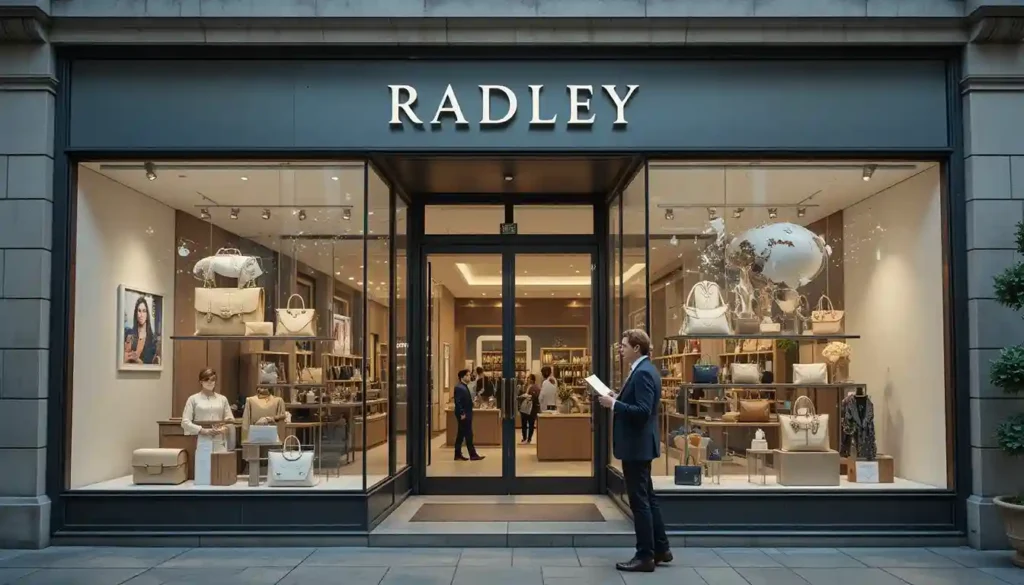
Gordon Brothers has confirmed the Radley takeover, acquiring the British accessories brand and its related intellectual property to support global expansion through a licensing-led model. The deal will move Radley towards an asset-light structure, with growth planned across the UK, US, Australia and Asia.
While the brand is expected to benefit from investment in products, marketing and retail partnerships, the takeover also brings major changes, including the risk of closure around Radley’s stores and immediate redundancies.
Key takeaways:
- Gordon Brothers now owns the Radley brand and IP.
- Radley will shift towards a licensing model.
- Expansion is planned across major global markets.
- Product categories may grow beyond handbags.
- The deal affects stores and employees.
What Has Gordon Brothers Confirmed About The Radley Takeover?
Gordon Brothers has confirmed that it has acquired the Radley brand and related intellectual property. This gives the firm control over the brand’s future direction, including how Radley products are developed, licensed, marketed and distributed.
The Gordon Brothers Radley takeover is not only about buying a recognised British name. It is also about reshaping how the brand operates. Gordon Brothers has said it wants to drive a growth strategy that expands Radley’s global brand and operations through strategic investments in people, products and marketing.
Radley, best known for handbags and premium accessories, will now move towards a licensing model. This means Gordon Brothers is likely to work with selected partners to produce, distribute or sell Radley products in different markets and categories.
| Key Area | What Has Been Confirmed |
| Brand ownership | Gordon Brothers has acquired Radley’s brand and intellectual property |
| Business direction | Radley will shift towards an asset-light licensing model |
| Expansion focusThe | UK, US, Australia and Asia are expected to be priority markets |
| Product focus | Handbags remain central, with potential growth in other categories |
| Store impact | Gordon Brothers has not taken on Radley’s 21 stores |
Why Is The Gordon Brothers Radley Takeover Important For The UK Retail Sector?
The Gordon Brothers Radley takeover reflects a wider trend in the UK retail sector. British brands with strong heritage and customer recognition are increasingly being bought by investors, rival retailers or brand management firms that see value in names with loyal audiences.
Radley has a clear identity in the UK market. Its handbags, purses and accessories are known for practical design, playful branding and British style. This gives Gordon Brothers a strong foundation to build on, especially in overseas markets where British craftsmanship can be a selling point.
The takeover also highlights the pressure facing UK retailers. Rising costs, changing shopping habits, weaker footfall and the growth of online retail have made traditional store networks harder to maintain. For some brands, licensing and wholesale partnerships can offer a more flexible route to survival and growth.
The main implications for UK retail include the following:
- More British brands are moving away from direct store ownership
- Greater focus on licensing and wholesale models
- Stronger interest from international investors in heritage names
- Continued pressure on physical stores and retail employment
- More brand-led growth across online and overseas markets
How Will Radley’s Shift To A Licensing Model Change The Brand?
Radley’s move towards a licensing model could change how the brand is managed, sold and expanded. Under this structure, Gordon Brothers can focus on brand ownership while specialist partners may handle manufacturing, distribution, retail or category expansion.
This is a familiar model for fashion, lifestyle and heritage brands. It allows a company to grow without carrying the full cost of running shops, warehouses or large direct retail operations.
Moving Towards An Asset-Light Business Model
An asset-light model means the business owns and controls valuable brand assets, such as trademarks and intellectual property, while reducing exposure to expensive fixed assets. In Radley’s case, this may mean less dependence on standalone shops and more reliance on partners, retailers and online channels.
| Traditional Retail Model | Asset-Light Licensing Model |
| The brand operates its own stores | Brand works with retail and licensing partners |
| Higher staffing and property costs | Lower fixed operating costs |
| Direct control over every customer touchpoint | Shared control through partners |
| Growth can be slower and more expensive | Expansion can be faster across new markets |
| Store performance is central | Brand strength and partner network are central |
A retail restructuring adviser described the shift clearly:
“I see this as a classic brand-value move. Radley still has consumer recognition, but the challenge is making that recognition work harder across markets and categories without relying too heavily on a store estate.”
Focus On Brand Ownership And Strategic Partnerships
The Gordon Brothers Radley takeover suggests that brand ownership will sit at the centre of the strategy. Instead of expanding mainly by opening more stores, Radley may grow through department stores, online platforms, overseas retailers and licensing agreements.
This could help Radley enter markets where it may not have the infrastructure to operate directly. It also creates scope for new product ranges, provided the brand remains consistent and does not lose its premium positioning.
What Are Gordon Brothers’ Global Expansion Plans For Radley?
Gordon Brothers has said it wants to expand Radley’s footprint in the US, UK, Australia and Asia. These markets offer different opportunities for the British accessories label.
The UK remains Radley’s home market and will continue to be important for brand credibility. The US offers scale and a large premium accessories market. Australia has an audience familiar with British fashion and lifestyle brands, while Asia could offer long-term growth if Radley is positioned correctly.
Growth Across The UK, US, Australia, and Asia
The Gordon Brothers Radley takeover could make Radley more visible in international retail channels. Instead of relying mainly on its own stores, the brand may appear through wholesale partners, online marketplaces, department stores and licensed distributors.
| Market | Possible Opportunity For Radley |
| UK | Protect brand heritage and maintain customer loyalty |
| US | Grow premium handbag and accessories sales |
| Australia | Build on demand for British lifestyle brands |
| Asia | Develop long-term brand awareness and category growth |
A fashion brand consultant explained the opportunity in simple terms:
“I would not treat Radley as just another handbag label. Its advantage is British familiarity, accessible premium pricing and a recognisable identity. If the licensing partners are chosen carefully, the brand can travel further without losing what customers already like about it.”
Expanding Radley Beyond Handbags
Radley already has a presence beyond handbags, including watches, jewellery, eyewear and beauty gifting. Gordon Brothers has said it wants to extend the brand’s product categories further.
This could create new revenue streams, but it must be handled carefully. A brand known mainly for handbags can grow into wider lifestyle products, but customers still need to recognise the same quality, design and personality.
How Could The Takeover Affect Radley’s Products, Retailers And Customers?
For customers, the most visible change may be where and how they buy Radley products. The brand may become more available through partner retailers, e-commerce platforms and international stockists.
Product ranges could also become broader. Handbags are likely to remain at the heart of Radley, but licensing may allow the brand to expand into more accessories and lifestyle categories.
| Group | Possible Impact |
| Customers | More online and international access to Radley products |
| Retailers | More wholesale and licensing partnership opportunities |
| Product partners | Scope to develop new Radley-branded categories |
| Employees | Store closures and restructuring may affect roles |
| Brand loyalists | May watch closely for quality and design consistency |
The main challenge is balance. Customers may welcome wider availability, but they may not respond well if the brand becomes too diluted. For Radley, growth must not come at the expense of trust.
What Does Gordon Brothers’ Brand Portfolio Reveal About Its Strategy?
Gordon Brothers has experience working with fashion, lifestyle and consumer brands. Its portfolio has included names such as Nicole Miller, LK Bennett, Rachel Zoe, Chinese Laundry, Laura Ashley, Telefunken and Broyhill.
The company has also been involved with Poundland, although that is a very different business from Radley. Poundland is store-led and value-focused, while Radley is a premium accessories brand with lifestyle potential.
The Gordon Brothers Radley takeover fits more closely with Gordon Brothers’ brand ownership and licensing strategy. The firm has said it focuses on expanding brands through licensing, strengthening brick-and-mortar and e-commerce presence, and developing wholesale and retail relationships.
This suggests Radley may be treated as a brand platform rather than a traditional retailer. Gordon Brothers is likely to focus on long-term brand value, category expansion and international partnerships.
Why Are British Brands Moving Towards Licensing And International Growth?

British brands are increasingly looking at licensing and international expansion because the retail environment has changed. Running physical shops can be expensive, especially when footfall is unpredictable and customers are buying more online.
Licensing allows a brand to reach more customers without directly managing every part of the operation. It can also help a brand enter overseas markets faster by working with partners who already understand local retail conditions.
For British brands, international growth can be attractive because heritage, craftsmanship and design identity often carry value overseas. Radley’s British character may help it stand out, particularly if Gordon Brothers protects its design language and quality standards.
However, licensing is not risk-free. Poor partner choices, inconsistent products or overexpansion can damage a brand. The success of the Gordon Brothers Radley takeover will depend on how carefully the new owner manages growth.
What Could The Radley Takeover Mean For Stores And Employees?
One of the most sensitive parts of the takeover is its effect on stores and employees. Gordon Brothers has not taken on Radley’s 21 stores, and 42 employees have faced immediate redundancy.
This shows the difference between buying a brand and buying a full retail operation. The takeover focuses on Radley’s intellectual property and brand potential, not the continuation of every physical shop.
| Area | Likely Meaning |
| Physical stores | The existing 21 stores have not been taken on |
| Employees | 42 roles have faced immediate redundancy |
| Brand future | The Radley name will continue under new ownership |
| Sales channels | Greater focus likely on licensing, wholesale and e-commerce |
| Business structure | Leaner model with fewer direct retail obligations |
For the UK retail sector, this underlines a difficult reality. A well-known brand can survive or even grow internationally while its store network and employees still face disruption. The commercial logic may be clear, but the human impact remains significant.
Conclusion
The Gordon Brothers Radley takeover marks a major turning point for one of Britain’s best-known premium accessories brands. Gordon Brothers has confirmed plans to expand Radley globally, invest in products and marketing, and move the business towards an asset-light licensing model.
For Radley, the takeover offers a chance to grow beyond its traditional retail base and reach more customers in the UK, US, Australia and Asia. However, the move also brings difficult consequences, especially around stores and redundancies.
The future of Radley will depend on whether Gordon Brothers can expand the brand while protecting the quality, character and British identity that made it recognisable in the first place.
FAQs About Gordon Brothers Radley Takeover
What is the Gordon Brothers Radley takeover?
The Gordon Brothers Radley takeover is the acquisition of the Radley brand and related intellectual property by Gordon Brothers. The deal gives Gordon Brothers control over the future growth, licensing and expansion strategy of the British accessories label.
Who owns Radley London now?
Radley London is now owned by Gordon Brothers, which has confirmed plans to develop the brand through strategic investment, licensing, product expansion and international retail partnerships.
Will Radley still sell handbags after the takeover?
Yes, Radley is expected to continue selling handbags. Handbags remain central to the brand’s identity, although Gordon Brothers also plans to expand Radley into wider product categories.
What does an asset-light model mean for Radley?
An asset-light model means Radley can focus more on brand ownership, licensing and partnerships rather than directly operating a large store network. This can reduce fixed costs and support faster expansion.
Is Radley expanding internationally?
Yes, Gordon Brothers has said it wants to expand Radley’s footprint in the UK, US, Australia and Asia. The expansion is expected to involve stronger retail partnerships, e-commerce and licensing opportunities.
Will Radley stores remain open after the takeover?
Gordon Brothers has not taken on Radley’s 21 stores as part of the deal. This means the future of those stores is affected by the restructuring, with 42 employees facing immediate redundancy.
Why is Gordon Brothers interested in British brands?
Gordon Brothers has a history of investing in recognisable fashion, lifestyle and consumer brands. British brands with strong heritage, loyal customers and global potential can fit well into its licensing and expansion strategy.

John covers a wide range of business topics including technology, productivity, startups, digital transformation, and business development for modern companies.

Andy Burnham Whitehall Job Cuts Begin Under Devolution Push
Andy Burnham’s government has begun the first operational stage of its Whitehall devolution push, with civil servants due to be seconded into regional mayoral authorities from autumn 2026.…

Andy Burnham Bank Tax: Could Higher Levies Drive Banks Out of Britain?
JPMorgan chief Jamie Dimon has warned Chancellor John Healey against raising taxes on banks ahead of the 28 October Budget, while former NatWest chairman Sir Howard Davies has…
Insights for the Modern
UK Small Business.
Join 15,000+ owners receiving tactical analysis on finance, marketing, and technology. No clutter.
Zero spam. Unsubscribe in one click.