What is the Punishment for Taking Money From a Deceased Account UK?


When someone dies, their bank account does not automatically become accessible to family members. In the UK, taking money from a deceased person’s account without proper authority can be treated as fraud or theft under UK law.
Depending on the circumstances, the punishment may include repayment orders, a criminal record, fines, or even a prison sentence of up to 7 years. Even if the money was used for funeral costs or household bills, withdrawing funds before legal permission is granted can still create serious legal problems.
Key Takeaways
- Using a deceased person’s debit card or online banking may be illegal
- Power of Attorney ends immediately after death
- Executors must usually wait for probate before accessing funds
- Banks can investigate suspicious post-death transactions
- Funeral costs can often be paid legally through the bank directly
- Unauthorised withdrawals may lead to civil or criminal penalties
What Happens If You Take Money From a Deceased Person’s Bank Account in the UK?
If you take money from a deceased person’s bank account in the UK without proper legal authority, the bank may treat the transaction as unauthorised access, fraud, or theft.
In many cases, accounts are frozen once the bank receives notification of the death, meaning any withdrawal made afterwards can trigger an internal investigation.
The seriousness of the situation often depends on intent, timing, and how the money was used. A person who secretly transfers funds for personal use may face criminal consequences, while someone who used the money for urgent funeral expenses could still face civil liability even without criminal intent.
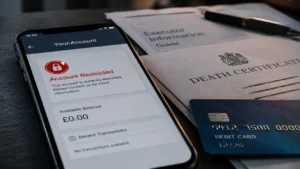
Banks may also:
- Freeze related accounts during investigations
- Request repayment of withdrawn funds
- Report suspicious activity to fraud prevention agencies
- Share information with police or HMRC if necessary
A probate specialist interviewed in a financial guidance report explained,
“Good intentions rarely override legal procedure after death. Families often assume temporary access is acceptable, but banks look at legal authority first.”
This confusion commonly affects relatives managing immediate expenses after bereavement.
Why Is It Illegal to Withdraw Money From a Dead Person’s Account Without Permission?
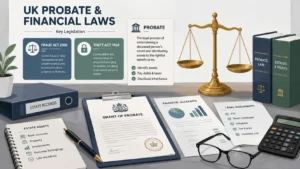
After a person dies, their money legally becomes part of their estate. This means no individual family member automatically owns or controls the funds, even if they were previously helping with finances. UK law protects estates to ensure debts, taxes, and inheritance distributions are handled fairly and legally.
Many people mistakenly believe they can continue using the deceased person’s bank card or online banking temporarily. However, once death occurs, previous permissions usually end immediately.
What Laws Apply to Deceased Bank Accounts in the UK?
Several UK laws may apply when someone withdraws money from a deceased account without permission. The most commonly referenced legislation includes the Fraud Act 2006 and the Theft Act 1968.
Under these laws, using another person’s banking details after death may be viewed as:
- Fraud by false representation
- Theft of estate assets
- Unauthorised access to banking systems
If online banking credentials or debit cards are used after death, banks may also investigate potential computer misuse or identity-related offences.
One probate adviser quoted in a financial case review stated,
“People often think using the card for one final payment is harmless, but legally the authority ended at the moment of death.”
This highlights why even small transactions can create legal risks.
Who Legally Owns the Money After Someone Dies?
When someone dies, ownership of their money temporarily transfers to their estate rather than directly to relatives or beneficiaries. The estate is managed by:
- Executors named in the Will
- Administrators appointed by the Probate Registry if no Will exists
These individuals are known as personal representatives. Their responsibility is to:
- Identify estate assets
- Pay debts and taxes
- Distribute inheritance correctly
Beneficiaries do not gain automatic access immediately after death. Probate is often required before larger sums can legally be released by banks.
Joint accounts work differently. In many cases, surviving account holders automatically retain access through the right of survivorship. However, sole accounts remain protected until the legal process is completed.
What Counts as Unauthorised Access or Withdrawal?
Unauthorised access can include more than physically withdrawing cash from an ATM. Banks may investigate several types of activity occurring after death.
Examples include:
- Using the deceased person’s debit card
- Logging into mobile or online banking
- Transferring money into personal accounts
- Continuing direct debit arrangements improperly
- Using a PIN number after death
Even where there was no dishonest intention, the act itself may still breach banking rules and estate law.
In practice, banks look closely at transaction timing. If activity occurs after a medical certificate, death registration, or bereavement notification, it may automatically trigger fraud monitoring systems. Families often discover too late that informal arrangements made during life no longer apply after death.
What Punishments Can You Face for Taking Money From a Deceased Account?
The punishment for taking money from a deceased account in the UK depends on how the money was taken, the amount involved, and whether there was evidence of dishonest intent. In serious cases, individuals may face criminal prosecution for fraud or theft.
Potential criminal penalties can include:
- A prison sentence of up to seven years
- Community orders or probation
- Financial penalties and court fines
- A permanent criminal record
Banks may also place CIFAS fraud markers against individuals suspected of financial misuse. This can affect:
- Mortgage applications
- Bank account access
- Mobile phone contracts
- Future credit checks
Civil consequences are also common. Courts may order repayment to the estate, even if the money was spent on funeral costs or household bills. In some situations, a person who interferes with estate assets becomes personally liable for unpaid debts owed by the deceased.
A financial compliance consultant explained during a probate discussion,
“Many people are shocked to discover the issue is not only about stealing money. The law also focuses on whether proper estate procedure was followed.”
This distinction is important because even honest mistakes can create long-term financial problems.
Banks and probate courts usually consider transparency, repayment efforts, and cooperation when deciding how serious the matter becomes.
Can You Go to Prison for Using a Deceased Person’s Debit Card or Online Banking?
Yes, it is possible to go to prison in the UK for using a deceased person’s debit card or online banking without lawful authority. Whether prosecution happens depends on the circumstances, including the amount taken, the reason for the transaction, and whether there was deliberate deception involved.
In some situations, police action may not occur immediately. However, banks increasingly monitor post-death transactions closely through fraud detection systems, digital tracking, and bereavement reporting services.
What Happens If the Withdrawal Was Made for Funeral Costs?
Many relatives believe using the deceased person’s bank card to pay funeral costs is acceptable, especially during emotionally difficult situations. Although the intention may not be dishonest, the transaction can still be considered unauthorised.
Most UK banks already provide legal procedures allowing funeral expenses to be paid directly from the deceased account. This means family members usually do not need to withdraw cash themselves.
Banks may request:
- The funeral invoice
- A death certificate
- Identification from the person arranging the funeral
If someone instead uses the deceased person’s debit card, the bank could still flag the transaction as suspicious.
One bereaved family member described the confusion by saying,
“I genuinely thought paying for flowers and funeral arrangements from Mum’s account was the responsible thing to do. I didn’t realise the bank would later question every transaction.”
Situations like this are common because legal procedures are often unclear during grief.
What If You Were a Joint Account Holder?
Joint accounts are treated differently from sole accounts in the UK. In many cases, the surviving account holder automatically retains ownership through the right of survivorship. This means the money does not usually form part of the estate.
However, problems can still arise if:
- The account structure was unclear
- The funds belonged mostly to the deceased
- Disputes exist between beneficiaries
- Large transfers occur immediately after death
Banks may temporarily review unusual activity, especially if substantial sums are withdrawn before probate matters are clarified.
It is also important to understand that not all shared financial arrangements qualify as true joint ownership. Some accounts allow access for convenience only, which may create legal complications later.
What Happens If You Had Power of Attorney Before Death?
Many people wrongly assume that a Lasting Power of Attorney continues after death. In reality, all Power of Attorney authority ends immediately once the account holder dies.
After death:
- Attorneys lose all legal authority over finances
- Continued account access may become unlawful
- Banks can investigate transactions made afterwards
This misunderstanding causes problems for carers and close relatives who previously managed bills or banking tasks daily.
Even if the deceased verbally approved ongoing access while alive, that permission no longer applies legally after death. Executors or administrators must instead follow probate procedures before handling estate funds.
In more serious cases, continuing to use online banking after death may lead to allegations of fraud by false representation. The bank may also freeze connected accounts while investigations take place.
For this reason, legal advisers strongly recommend contacting the bank’s bereavement team immediately rather than continuing to use existing cards, PINs, or online logins after someone dies.
How Do Banks Find Out About Unauthorised Withdrawals After Death?

Banks in the UK use several systems to identify suspicious transactions after an account holder dies. Once a death is reported, most banks immediately place restrictions on the account and begin monitoring activity more closely.
Financial institutions may receive notifications through:
- The Death Notification Service
- The Tell Us Once service
- HMRC and Department for Work and Pensions data
- Family or solicitor reports
Modern fraud detection systems can also identify unusual account behaviour automatically. Transactions made shortly after death often trigger alerts, especially if:
- ATM withdrawals continue unexpectedly
- Online banking is accessed from new devices
- Debit card spending patterns suddenly change
- Large transfers are made quickly
Banks may review CCTV footage linked to ATM use and compare timestamps with official death records. Mobile banking logins can also reveal device locations and IP address information.
If suspicious activity appears deliberate, the bank may:
- Freeze related accounts
- Launch a fraud investigation
- File reports with Action Fraud or police
- Add internal fraud markers
In many cases, investigations begin because normal account activity suddenly conflicts with the customer’s known circumstances. Even small withdrawals can attract attention if they occur after formal bereavement notification has been processed.
Who Is Legally Allowed to Access a Deceased Person’s Money?
Only authorised personal representatives can legally manage a deceased person’s finances in the UK. This is usually the executor named in the Will or an administrator appointed through the probate process if no Will exists.
Their legal responsibilities include:
- Collecting estate assets
- Paying outstanding debts
- Managing tax obligations
- Distributing inheritance correctly
Banks normally require proof of authority before releasing funds. Depending on the estate size, this may involve:
- A Grant of Probate
- Letters of Administration
- Identification documents
- The original death certificate
Some banks allow limited access for smaller estates without formal probate, although internal rules vary between institutions.
Family members, beneficiaries, and carers do not automatically gain legal access simply because they were close to the deceased. Even spouses may need to follow formal procedures for sole accounts.
Joint accounts are one of the main exceptions. In many situations, ownership transfers automatically to the surviving account holder. However, sole accounts generally remain frozen until legal authority is confirmed.
To reduce disputes and fraud risks, banks increasingly rely on dedicated bereavement teams to manage deceased customer accounts safely and consistently throughout the probate process.
How Can Funeral Expenses Be Paid Legally From a Deceased Account?

Funeral costs are one of the few expenses that banks in the UK may allow to be paid directly from a deceased person’s account before probate is completed. This process exists to help families manage urgent arrangements without risking unlawful withdrawals.
Instead of using the deceased person’s debit card or PIN, families should contact the bank’s bereavement department and follow the approved process.
Can Banks Release Money for Funeral Costs Before Probate?
Yes, many UK banks can release money directly to funeral directors before probate is granted. This usually applies even if the account itself has already been frozen.
The payment is normally sent:
- Directly to the funeral company
- From the deceased person’s available funds
- Without giving relatives unrestricted account access
Banks commonly ask for:
- A copy of the death certificate
- The funeral invoice
- Proof of identity from the person arranging the funeral
This legal route protects both the family and the bank from allegations of improper account use.
A funeral arranger interviewed during a bereavement guidance discussion explained,
“Families often panic about immediate costs, but banks usually have established procedures for funeral payments if contacted early enough.”
This reassurance helps avoid unnecessary financial mistakes during emotionally difficult periods.
What Documents Do Banks Usually Request?
The exact paperwork depends on the bank and the size of the estate, but most bereavement teams ask for similar core documents before releasing money or discussing the account.
Commonly requested documents include:
- Official death certificate
- Funeral director invoice
- The deceased person’s Will
- Passport or driving licence of the executor
- Probate documents where required
For larger estates, banks may also ask for inheritance tax forms or additional proof of executor authority.
Providing accurate documents quickly can:
- Reduce account delays
- Prevent fraud concerns
- Speed up funeral payment processing
Many banks now offer dedicated bereavement support teams that guide families through these requirements step by step.
What Other Financial Support May Be Available?
If immediate funeral costs create financial pressure, several forms of support may be available in the UK.
Possible options include:
- Bereavement Support Payment
- Funeral Expenses Payment for qualifying benefits claimants
- Pre-paid funeral plans
- Life insurance payouts
- Funeral director instalment plans
Some local councils may also assist with public health funerals where no other arrangements can be made.
Families should avoid assuming they must personally access the deceased person’s bank account to manage urgent expenses. In many situations, safer legal alternatives already exist through government schemes, insurance policies, or direct bank payments.
Seeking guidance early from the bank, Citizens Advice, or a probate professional can help prevent unnecessary legal complications during an already stressful period.
What Is Intermeddling and Why Can It Create Personal Liability?
Intermeddling happens when someone deals with a deceased person’s estate without proper legal authority. In UK probate law, this can make the individual an “executor de son tort,” meaning they may accidentally assume legal responsibility for estate matters.
Many people intermeddle without realising the consequences. Common examples include:
- Taking money from the account
- Selling belongings
- Paying debts selectively
- Distributing inheritance early
Even if actions were taken with good intentions, the law may still treat the person as personally responsible for financial mistakes.
This can create serious liability because:
- Creditors may demand repayment personally
- HMRC can pursue unpaid taxes
- Beneficiaries may file legal claims
- Estate losses may need reimbursing
For example, if someone withdraws funds to pay household bills before settling tax debts, they could later be required to repay the estate from their own savings.
Intermeddling does not always lead to criminal charges, but it often creates civil financial risk. Probate professionals usually advise relatives to avoid handling estate assets until proper legal authority is confirmed through probate or bank approval procedures.
Maintaining clear records and seeking legal guidance early can help families avoid unintentionally crossing legal boundaries after a death.
What Should You Do If You Already Took Money From a Deceased Account?
If you already withdrew money from a deceased person’s account, the safest step is to act quickly and transparently. Avoid making additional transactions and contact the bank’s bereavement team immediately to explain the situation honestly.
Banks often consider:
- Whether the withdrawal was intentional
- How the money was used
- Whether funds were returned voluntarily
- Your level of cooperation
You should also gather:
- Receipts
- Bank statements
- Funeral invoices
- Records showing where the money went
If possible, return any remaining funds to the estate account. Keeping accurate documentation may help demonstrate there was no dishonest intention.
In more complicated situations, legal advice from a probate solicitor can help reduce risks and clarify your responsibilities. Early disclosure is usually viewed more favourably than allowing the bank to discover suspicious transactions independently.
Most importantly, avoid hiding information or continuing account access after the issue becomes known. Prompt communication and transparency can significantly reduce the likelihood of serious legal consequences.
How Can You Handle a Deceased Person’s Finances Safely and Legally?

Managing a deceased person’s finances correctly helps protect beneficiaries, creditors, and family members from legal disputes. The safest approach is to follow official probate and bereavement procedures from the beginning.
Important first steps include:
- Informing the bank about the death
- Using the Tell Us Once service where available
- Locating the Will
- Identifying the executor or administrator
Once legal authority is confirmed, personal representatives should:
- Open a separate executor account
- Keep estate money separate from personal finances
- Record all payments carefully
- Settle taxes and debts before distributing inheritance
Banks may release small amounts without probate depending on internal policies, but larger estates usually require a Grant of Probate first.
Families should also avoid:
- Using debit cards after death
- Logging into online banking
- Transferring money informally
- Sharing estate funds early
Maintaining organised records can help prevent misunderstandings between beneficiaries and reduce the risk of future legal claims.
Where estates involve property, business interests, tax concerns, or family disputes, professional probate advice may be worthwhile. Following formal procedures may feel slow during bereavement, but it provides legal protection for everyone involved.
What Are the Most Common Misunderstandings About Deceased Bank Accounts?
Many families unintentionally make mistakes after a death because they misunderstand how UK banking and probate rules work. Emotional stress often leads people to assume previous financial access still applies after someone dies.
Common misconceptions include:
- “I was helping with finances before, so I can continue”
- “I only used the money for bills”
- “The bank will not notice small withdrawals”
- “Power of Attorney still applies after death”
In reality, legal authority changes immediately once the account holder dies. Even close relatives must follow probate and bereavement procedures before accessing funds lawfully.
| Common Belief | Legal Reality |
| Family members automatically inherit account access | Executors usually require probate authority |
| Funeral costs can be paid using the deceased’s card | Banks normally prefer direct payment procedures |
| Small withdrawals are ignored | Banks monitor post-death activity closely |
| Power of Attorney continues after death | It ends immediately upon death |
| Joint accounts always avoid disputes | Ownership questions can still arise |
Another misunderstanding involves beneficiaries believing inheritance belongs to them immediately. However, debts, taxes, and administration costs must normally be settled before distributions occur.
Understanding these rules early can help families avoid unnecessary legal complications, financial investigations, and disagreements during an already difficult time.
Conclusion
Taking money from a deceased account in the UK without proper authority can lead to serious legal and financial consequences, even where there was no dishonest intention.
Banks and probate authorities treat estate funds carefully to protect creditors, beneficiaries, and the legal administration process after death.
Although prison sentences are generally reserved for deliberate fraud or theft, unauthorised withdrawals may still result in investigations, repayment demands, civil liability, or long-term financial consequences.
Many misunderstandings happen because relatives are trying to manage urgent expenses during grief without fully understanding probate rules.
The safest approach is always to contact the bank’s bereavement team first, follow formal probate procedures, and keep clear financial records.
Seeking guidance early can help you manage funeral costs, estate administration, and inheritance matters legally while avoiding unnecessary disputes or legal complications later.
FAQ About Taking Money From a Deceased Account in the UK
Can you legally withdraw money after someone dies in the UK?
In most cases, you cannot legally withdraw money from a deceased person’s sole bank account without proper authority. Executors or administrators usually need probate or bank approval before accessing funds.
Can a bank reverse withdrawals made after death?
Yes, banks can investigate and reverse suspicious transactions made after the account holder’s death. They may also freeze accounts and request repayment if the withdrawal was unauthorised.
Do banks automatically freeze accounts after death?
Most UK banks freeze sole accounts once they are informed about the death of the account holder. This helps prevent fraud and protects the estate during probate administration.
Is it illegal to use a deceased person’s bank card for funeral expenses?
Yes, using the deceased person’s debit card directly can still be considered unauthorised access, even for funeral expenses. Banks usually offer safer legal procedures to pay funeral directors directly from the account.
What happens if a family member secretly takes inheritance money?
The person may face civil claims from beneficiaries or criminal investigation if fraud or theft is suspected. Courts can also order repayment of the money to the estate.
Can beneficiaries access money before probate is granted?
Beneficiaries do not usually gain immediate access to estate funds before probate is completed. Some banks may release limited amounts for small estates under internal policies.
How long does probate usually take in the UK?
Simple probate applications may take several weeks, while complex estates can take much longer. Delays often happen when inheritance tax issues or family disputes are involved.

John covers a wide range of business topics including technology, productivity, startups, digital transformation, and business development for modern companies.

DWP Universal Credit Rollout End: Is the Move to Universal Credit Finally Finished?
The DWP Universal Credit rollout has officially finished, ending a programme that began in 2013. DWP completed its exercise to contact remaining legacy-benefit claimants in late March 2026,…

Andy Burnham Cash ISA Rules: What Changes for UK Savers?
Searches for Andy Burnham cash ISA rules centre on a practical question: will savers still be able to put £20,000 a year into tax-free cash savings? Under the…
Insights for the Modern
UK Small Business.
Join 15,000+ owners receiving tactical analysis on finance, marketing, and technology. No clutter.
Zero spam. Unsubscribe in one click.