TG Jones Unpaid Business Rates and Bailiff Threats Crisis UK

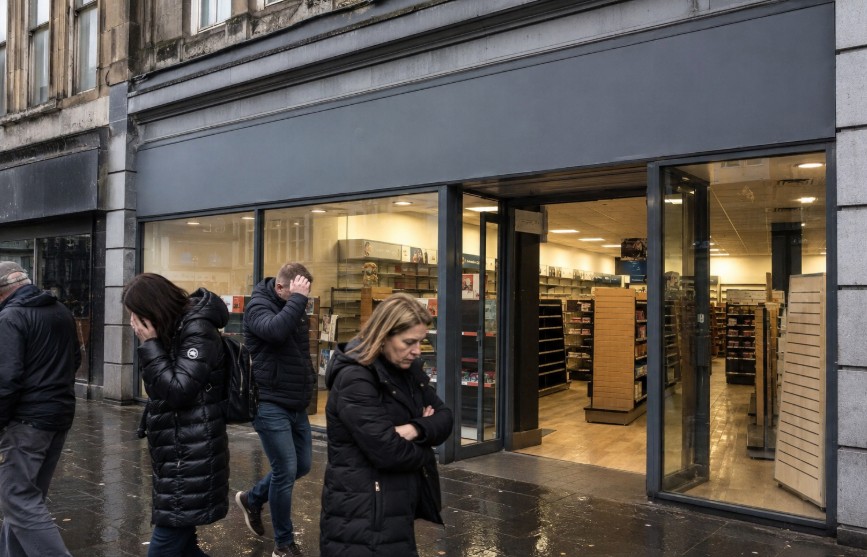
TG Jones is facing growing financial pressure after reports revealed the retailer owes £3.4 million in unpaid business rates, alongside millions more in supplier debts and outstanding HMRC liabilities. The company, which now operates hundreds of former WH Smith high street stores, has warned that it could run out of cash within weeks unless landlords agree to major rent reductions and payment holidays. Local councils are reportedly considering enforcement action, including potential bailiff involvement, as the retailer struggles through a major restructuring process.
Key Takeaways
- TG Jones reportedly owes £3.4 million in unpaid business rates
- The company also faces £4 million supplier debt and £8.4 million HMRC liabilities
- Around 450 stores are involved in the restructuring proposal
- Up to 150 store closures and job losses may occur
- Landlords and politicians have criticised the restructuring strategy
- The case highlights wider financial challenges facing UK high street retailers
Why Is TG Jones Facing Unpaid Business Rates Problems?

The unpaid business rates issue surrounding TG Jones became public after restructuring documents revealed mounting financial pressure across the retailer’s estate. The company warned that local councils had already issued demand letters and court summonses linked to overdue payments.
TG Jones faces the threat of bailiff action over £3.4 million in unpaid business rates as the retailer behind hundreds of former WH Smith stores warned it could run out of cash within weeks.
The financial crisis emerged through documents connected to a restructuring proposal covering the company’s 450-store estate. Alongside the business rates arrears, TG Jones is also carrying £4 million in debts to suppliers and a further £8.4 million in outstanding tax liabilities owed to HMRC.
The company argues that rising costs, weaker trading conditions, and operational pressures contributed to the current situation, although critics believe management decisions and the rebranding process also played a significant role.
What Happened After WH Smith Stores Became TG Jones?

After the takeover of former WH Smith high street stores, the transition to the TG Jones brand quickly became one of the most discussed aspects of the retailer’s financial troubles. The rebrand changed the identity of hundreds of familiar town-centre stores, while concerns about customer trust, falling footfall, and restructuring costs continued to grow.
Why Did The Stores Rebrand From WH Smith To TG Jones?
The stores were renamed after Modella acquired the high street arm of WH Smith. Under the terms of the agreement, the new owners were unable to continue using the original WH Smith branding, forcing the business to create an entirely new retail identity.
TG Jones was introduced as the replacement brand across hundreds of locations. However, the sudden shift reportedly confused many shoppers who had associated WH Smith with British high street retail for decades.
Several landlords and retail observers questioned whether abandoning such a recognised name damaged customer loyalty during an already difficult trading period.
Some of the biggest concerns included:
- Loss of long-established brand recognition
- Customer uncertainty about ownership and store quality
- Reduced trust compared to the former WH Smith identity
- Additional costs linked to rebranding stores nationwide
One landlord reportedly criticised the decision, saying:
“They’ve bought the business and rebranded it with a name that’s lost all the goodwill that went with it. What’s left is a really below-par store portfolio that sells God knows what. Unsurprisingly, nobody wants to go there any more so it fell off a cliff.”
How Has The Rebranding Affected Customer Trust And Store Performance?
Retail analysts believe the rebrand may have weakened the retailer’s connection with regular shoppers. WH Smith had decades of recognition across UK high streets, while TG Jones entered the market without any established reputation.
Although the company blamed wider economic pressures for declining performance, critics argued the rebranding itself became part of the problem. Some landlords claimed footfall reduced significantly after the name change, while others suggested the stores no longer carried the same customer appeal.
Several factors appear to have affected performance:
- Ongoing competition from online shopping
- Changing customer habits on UK high streets
- Rising operating costs and taxation
- Uncertainty created by the sudden rebrand
Retail specialist Stephen Springham strongly criticised the situation and rejected suggestions that market conditions alone caused the decline.
He stated:
“Books and stationery were the best performing retail subcategory last year, bar none. They can’t blame market conditions. It’s absolutely scandalous.”
Despite the criticism, the company maintains that increasing financial pressures across the retail sector made recovery more difficult after the takeover.
Why Are Licensing Fees Becoming Part Of The Controversy?
Another major controversy involves reports that licensing fees connected to the TG Jones brand were being charged within the wider ownership structure. Critics questioned why millions in licensing-related payments were accumulating while councils pursued unpaid business rates and HMRC liabilities remained outstanding.
This issue attracted political attention after Labour MP Justin Madders criticised the arrangement publicly. Concerns focused on whether investors were benefiting financially while taxpayers, councils, suppliers, and employees faced growing risks.
Mr Madders reportedly said:
“To many people, this will look like heads the investors win, tails the taxpayer loses. If workers lose jobs, councils lose revenue and the public is left carrying the cost. What sticks in the craw is that while councils are left chasing unpaid business rates and HMRC is giving breathing space over millions in deferred tax liabilities, the company’s own restructuring documents show millions accruing in licensing fees.”
The criticism intensified debate around private equity ownership, restructuring strategies, and financial accountability on the UK high street.
What Are Business Rates And Why Do They Matter For UK Retailers?

Business rates are commercial property taxes paid by companies operating from physical premises across the UK. Local councils collect these payments to help fund public services, making them an important financial obligation for retailers and other businesses.
For high street chains with hundreds of stores, business rates can become one of the largest operational expenses. During periods of weak sales or economic uncertainty, retailers often struggle to balance rent, staffing costs, supplier payments, and tax liabilities at the same time.
In the TG Jones case, unpaid business rates reportedly triggered demand letters and legal warnings from councils.
If businesses fail to pay these debts, local authorities can pursue enforcement action, including:
- Court summonses
- Bailiff involvement
- Seizure of goods
- Winding-up petitions
Many UK retailers have argued that business rates place heavy pressure on physical stores compared with online competitors. Rising energy costs, wage increases, inflation, and changing shopping habits have already weakened many town-centre businesses.
Retailers operating large estates are especially vulnerable because each location carries separate costs for rent, staffing, utilities, and taxation. When cash flow weakens, unpaid business rates can quickly become a serious legal and financial issue.
The TG Jones situation has therefore become part of a wider national discussion about whether the current business rates system remains sustainable for struggling high street retailers.
Could TG Jones Stores Face Bailiff Action Or Closure?
The risk of enforcement action has become one of the most serious concerns surrounding TG Jones. According to restructuring documents, local councils have already issued demand letters and summonses linked to unpaid business rates arrears.
If these debts remain unresolved, councils could potentially instruct enforcement agents or seek winding-up action through the courts. Bailiffs may attempt to recover unpaid amounts by seizing company assets or goods from affected stores.
At the same time, TG Jones warned that it could run out of available cash by the end of June unless landlords agree to significant concessions.
The restructuring proposal reportedly asks some landlords to accept:
- Three-year rent-free periods
- Reduced rental payments
- Extended payment holidays
The company’s estate currently includes around 450 stores, although reports suggest as many as 150 locations could eventually close. Job losses are also expected if the restructuring process continues.
Some landlords have already indicated they may attempt to reclaim stores and seek new tenants instead. Others believe keeping struggling stores open may no longer be financially worthwhile.
Chief executive Alex Willson reportedly warned employees that the company could not continue operating under current conditions. The situation now depends heavily on creditor negotiations, landlord cooperation, and court approval of the restructuring proposals.
Why Are Landlords And Politicians Criticising The Restructuring Plans?
Landlords have reacted strongly against proposals that would dramatically reduce rental income across the TG Jones estate. Under the restructuring plan, more than 120 stores could receive rent-free periods lasting up to three years, while hundreds of other sites may face rental reductions ranging from 15 to 75 per cent.
Many property owners believe they are unfairly absorbing the financial consequences of the retailer’s problems. Some landlords also criticised the decision to rebrand the stores while financial pressures were already increasing.
Political criticism has focused on the wider impact on taxpayers, councils, workers, and suppliers. Concerns have also been raised about unpaid business rates and outstanding HMRC liabilities occurring while licensing-related charges continued within the ownership structure.
The controversy has become part of a broader debate about how private equity firms manage struggling high street retailers and whether restructuring plans place too much financial pressure on local communities and property owners.
Is The TG Jones Situation Part Of A Bigger UK High Street Problem?

The difficulties facing TG Jones are not happening in isolation. Across the UK, many high street retailers are struggling with rising operational costs, weaker consumer spending, and changing shopping habits. The case has therefore become a wider example of the financial pressure currently affecting physical retail businesses.
Are Rising Costs Making It Harder For Retailers To Survive?
Retailers across the country continue to face increasing financial pressure from multiple directions. Even established brands are finding it difficult to manage property costs, staffing expenses, supplier payments, and taxation while competing against online retailers.
Some of the biggest challenges currently affecting high street businesses include:
- Higher energy bills
- Increased wage costs
- Inflation affecting consumer spending
- Growing competition from e-commerce
- Expensive commercial property costs
- Heavy business rates obligations
Physical retailers often carry significantly larger overheads than online-only businesses. For chains operating hundreds of stores, these costs can quickly become unsustainable if sales decline or customer footfall weakens.
The pressure is especially visible in town centres where vacancies continue to increase. Many retailers have already reduced store numbers or entered restructuring agreements to cut operational expenses.
Although TG Jones has become a major headline, the underlying financial difficulties reflect wider structural problems facing the UK retail sector.
Why Do Some Experts Disagree With TG Jones’ Explanation?
Not everyone agrees that economic conditions alone caused the retailer’s problems. Several retail analysts argue that books and stationery remained relatively strong sectors compared with other parts of the high street market.
Critics believe the company’s strategic decisions may have worsened the situation after the takeover. The rapid rebrand away from WH Smith, combined with restructuring costs and declining customer confidence, created additional pressure during a difficult period.
Stephen Springham compared the situation to previous high-profile retail collapses and criticised the ownership strategy heavily. Some landlords also argued that customer interest declined because the stores lost the familiarity and trust associated with the WH Smith brand.
Others questioned whether private equity ownership models focus too heavily on financial restructuring rather than long-term retail investment.
At the same time, supporters of the company argue that wider economic conditions cannot be ignored.
Retailers across multiple sectors continue to struggle with:
- Lower consumer confidence
- Reduced discretionary spending
- Rising borrowing costs
- Expensive taxation systems
The debate therefore remains divided between those blaming broader market conditions and those criticising management decisions.
What Could Happen Next For TG Jones?
The future of TG Jones now depends largely on creditor negotiations and court decisions linked to the restructuring proposal. Landlords, suppliers, and other creditors are expected to vote on the plan before it proceeds through legal approval stages.
Several possible outcomes remain under discussion:
- Approval of the restructuring plan
- Significant store closures
- Further cost-cutting measures
- Landlords reclaiming properties
- Potential insolvency risks if funding fails
Customers may continue seeing stores operate normally in the short term, although uncertainty surrounding closures and redundancies remains high. Employees, suppliers, and councils are all closely watching the situation because the outcome could affect jobs, local economies, and high street vacancy levels.
The TG Jones case may also influence future debates around business rates reform, private equity ownership, and financial support for UK retailers facing similar pressures.
What Can Other UK Businesses Learn From The TG Jones Unpaid Business Rates Issue?

The TG Jones situation highlights how quickly financial pressure can escalate when businesses struggle with cash flow, taxation, and operational costs simultaneously. For UK retailers, unpaid business rates can become more than an accounting issue because councils have legal powers to pursue enforcement action if debts remain unresolved.
The case also demonstrates the risks involved when companies attempt major restructuring or rebranding during uncertain trading conditions. Losing established customer trust can create additional financial pressure, particularly on the high street where competition is already intense.
Businesses may also learn the importance of maintaining clear communication with landlords, suppliers, and local authorities before arrears become unmanageable. Strong financial planning, realistic expansion strategies, and sustainable operating models are becoming increasingly important as retail conditions remain unpredictable across the UK market.
Conclusion
The TG Jones unpaid business rates controversy has become one of the most closely watched retail restructuring stories on the UK high street. Reports of £3.4 million in unpaid business rates, alongside supplier debts and HMRC liabilities, have raised serious concerns about the retailer’s financial stability and the future of hundreds of former WH Smith stores.
While the company argues that rising costs and changing retail conditions contributed to the crisis, critics believe management decisions, rebranding challenges, and restructuring strategies also played important roles.
The outcome of creditor negotiations and court decisions will now determine whether TG Jones can stabilise its operations or face further closures and enforcement action.
More broadly, the case reflects the growing financial strain affecting many UK retailers as high streets continue adapting to economic uncertainty and changing consumer behaviour.
FAQs
Can councils take legal action for unpaid business rates?
Yes. Local councils can issue demand notices, court summonses, enforcement orders, and in serious cases pursue winding-up petitions against businesses with unpaid business rates.
Why did WH Smith stores become TG Jones?
The stores were rebranded after the business changed ownership and the new operator could no longer use the WH Smith name under the acquisition agreement.
Could TG Jones stores permanently close?
Reports suggest up to 150 stores may close depending on restructuring outcomes, landlord agreements, and financial recovery efforts.
What are business rates in the UK?
Business rates are taxes charged on commercial properties such as shops, offices, warehouses, and retail premises.
Why are landlords unhappy with TG Jones?
Many landlords oppose proposed rent reductions and long payment holidays included within the restructuring plan.
Is TG Jones officially insolvent?
At present, the company is undergoing restructuring discussions, although concerns about cash flow and financial stability remain ongoing.
Why is the TG Jones case attracting political attention?
The situation involves unpaid taxes, possible job losses, landlord disputes, and wider concerns about private equity ownership of UK retailers.

Jermaine writes informative business content related to entrepreneurship, finance, innovation, operations, and emerging opportunities for growing businesses in the UK.

Does Gross Misconduct Always Lead to Dismissal?
No. Gross misconduct does not always lead to dismissal. It can be serious enough to justify dismissal without notice, including for a first offence, but an employer should…

Andy Burnham Whitehall Job Cuts Begin Under Devolution Push
Andy Burnham’s government has begun the first operational stage of its Whitehall devolution push, with civil servants due to be seconded into regional mayoral authorities from autumn 2026.…
Insights for the Modern
UK Small Business.
Join 15,000+ owners receiving tactical analysis on finance, marketing, and technology. No clutter.
Zero spam. Unsubscribe in one click.