Rachel Reeves Cost of Living: What the Package Means?

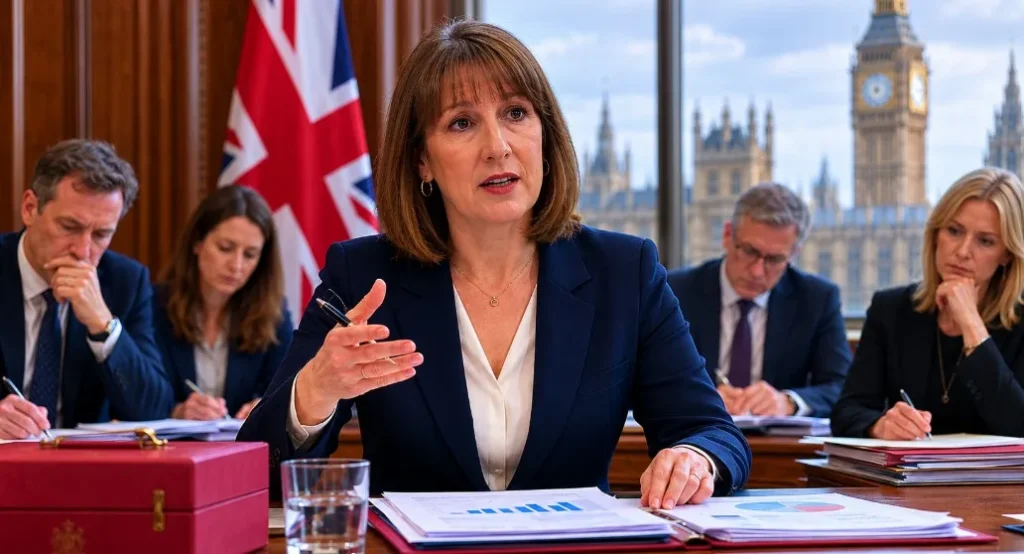
Rachel Reeves’ cost of living package is designed to provide short-term relief for UK households facing pressure from rising fuel, food and everyday expenses while attempting to avoid broader inflation risks.
Rather than introducing universal bill support, the package focuses on targeted measures including fuel duty support, food tariff reductions, transport assistance and temporary VAT cuts for family activities. For households and small businesses, the practical impact depends on spending patterns and how quickly savings reach consumers.
Key takeaways:
- Fuel duty support aims to reduce transport cost pressure.
- Tariff changes seek to lower supermarket pricing.
- Families receive summer travel and leisure support.
- Small businesses may benefit from increased domestic spending.
- Energy bill caps and broad price controls were not included.
What Cost of Living Measures Did Rachel Reeves Announce?
The package combined transport, food and family spending support with consumer protection measures.
Key announcements included:
- Extension of the planned fuel duty freeze to reduce pressure on motorists and businesses.
- Suspension of tariffs across more than 100 food categories sold through supermarkets.
- Temporary VAT reduction from 20% to 5% for selected summer attractions and children’s meals.
- Free bus travel for children during August alongside continuation of wider bus affordability support.
- Stronger powers proposed for competition authorities to challenge excessive pricing behaviour.
Reeves stated:
“I expect supermarkets to pass these savings on in full to their customers.” The government presented these measures as direct interventions intended to create visible household savings rather than relying solely on market adjustment.
How Could the Fuel, Food and Transport Changes Affect Everyday Household Spending?
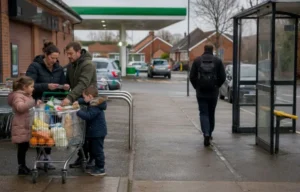
For many UK households, the package matters less because of one headline announcement and more because of the combined effect across weekly spending categories.
How Could Fuel Duty Decisions Change Travel and Commuting Costs?
Transport costs affect commuting, school runs and business operations. By extending fuel support and pausing expected increases, the government aims to limit additional pressure on motorists and self-employed workers.
Potential impacts include:
- Lower immediate fuel cost increases.
- Reduced pressure on delivery and service businesses.
- More predictable travel spending.
This may especially benefit tradespeople and workers who rely heavily on vehicles.
Could Food Measures Reduce Grocery Bills in Practice?
Food savings depend on whether retailers pass import savings to customers. The tariff suspension covers a broad range of supermarket goods and is intended to lower input costs across supply chains. Reeves described food shopping as becoming one of families’ “biggest worries”.
Possible outcomes include:
- Slower increases in selected food categories.
- Better promotional pricing.
- Marginal savings across regular shopping baskets.
However, food prices remain influenced by logistics, energy and supplier costs.
What Difference Could Public Transport Support Make for Families?
Free child bus travel and support for leisure spending aim to reduce summer holiday costs. Combined with reduced VAT on attractions and children’s meals, the package attempts to make family activities more affordable during school holidays.
For a family balancing transport, meals and day trips, several smaller savings may create a noticeable short-term difference.
Which Families, Workers and Small Businesses Could Benefit the Most?
The package appears designed to spread modest benefits across multiple groups rather than concentrate support in one area.
Groups likely to see the strongest effect include:
- Families with school-age children.
- Drivers and commuters.
- Self-employed workers using vehicles.
- Hospitality and leisure businesses.
- Small firms dependent on domestic consumer spending.
For small businesses, increased family activity during summer may create additional customer demand rather than direct financial support.
A practical example would be a local café near a tourist attraction, reduced VAT and increased visitor numbers could improve short-term trading conditions, while consumers feel more comfortable spending.
What Was Not Included in Rachel Reeves’ Cost of Living Plan?

While the announcement introduced targeted support, several expected interventions were noticeably absent.
Why Were Energy Bill Caps and Price Controls Not Introduced?
One of the largest omissions was a universal energy bill package. Reports suggested ministers avoided broad energy support due to affordability concerns and concerns about repeating expensive market interventions.
Instead, future targeted assistance remained under consideration. Households facing heating and electricity pressures, therefore, received limited immediate relief.
Why Were Stronger Market Interventions Left Out?
There had been speculation around supermarket price caps and stronger direct controls. Instead, the government emphasised competition oversight and expectations that businesses pass savings through to consumers.
The approach prioritised:
- Market monitoring.
- Consumer protection.
- Temporary relief measures.
Critics argued stronger intervention may have produced faster savings.
Are Temporary Measures Enough to Reduce Long-Term Living Costs?
This remains the central debate. Supporters argue targeted action reduces pressure without creating larger deficits. Critics say temporary measures cannot solve housing, energy and productivity challenges that shape living standards over time.
The distinction matters, immediate affordability and long-term economic reform are not the same policy goal.
How Have Economists, Political Figures and Industry Groups Responded?
Reaction has been mixed. Supporters welcomed visible support for families and consumer activity, particularly the VAT changes and transport measures. Business groups suggested the package could encourage domestic spending during summer.
Opposition figures questioned why some measures arrived only after pressure over fuel costs. Critics also argued that without wider spending reforms or direct bill support, households may feel only limited change.
Industry voices broadly agreed that implementation speed and retailer behaviour will determine whether consumers notice meaningful savings. Several commentators described the package as politically important but economically modest.
Does This Package Address the Cost of Living Crisis or Offer Short-Term Relief?
The package appears aimed primarily at short-term relief rather than permanently lowering living costs.
Expected near-term effects include:
- Reduced pressure during summer spending periods.
- Slightly lower transport and activity costs.
- Improved confidence for selected sectors.
- Small cumulative savings for families.
Longer-term questions remain around inflation, energy affordability and household income growth. For readers and small business owners, the practical takeaway is to view these measures as temporary support rather than a full reset of household economics.
What Does Rachel Reeves’ Cost of Living Strategy Mean for the UK Economy Going Forward?
The broader strategy reflects a preference for targeted intervention over universal subsidies. Confirmed measures focus on fuel, food, travel and seasonal spending support. Proposed future interventions remain conditional on market conditions. Commentary around wider reforms remains political discussion rather than confirmed policy.
For households, success will depend on whether retailers, service providers and transport operators pass savings through quickly. For small businesses, the key question is whether improved consumer confidence turns into stronger spending patterns across the summer period.
Conclusion
Rachel Reeves’ cost of living package attempts to balance household support with fiscal restraint. Rather than introducing sweeping subsidy programmes, the government has focused on targeted interventions intended to reduce pressure across fuel, food, transport and family spending.
For UK households, the package may offer practical short-term savings, especially during the summer months. For small businesses, increased consumer activity could provide indirect support.
However, long-term affordability challenges remain tied to broader economic conditions. The real test will not be the announcements themselves but whether the promised savings become visible in everyday budgets.
FAQs
Who is expected to benefit most from Rachel Reeves’ cost of living package?
The measures appear most relevant for families with children, commuters, motorists and households managing rising everyday costs. Some small businesses, particularly in hospitality and leisure, could also benefit indirectly if consumer spending increases.
Will the package reduce energy bills for UK households?
No broad energy bill cap or universal energy support was included in the announced measures. Instead, the focus was placed on transport, food affordability and targeted household spending support.
How could food tariff changes affect supermarket prices?
The government stated that removing tariffs on selected imported food products should lower costs within supply chains. Actual savings for shoppers will depend on whether supermarkets pass those reductions on to customers.
Are the transport measures permanent?
The transport-related measures were introduced as temporary support rather than long-term structural reform. Their continuation may depend on future economic conditions and government decisions.
What does the package mean for UK small businesses?
Small businesses may not receive direct financial support but could benefit from stronger customer activity and seasonal spending. Sectors linked to tourism, food and local services may see the greatest impact.
Does this package solve the UK cost of living crisis?
The package is designed to provide short-term relief rather than fully resolve long-term affordability challenges. Issues such as inflation, household income growth and energy costs remain wider economic concerns.
Could more support measures be introduced later?
Government statements indicated that further targeted support could remain available if economic or market conditions worsen. Any future intervention is likely to focus on specific sectors or groups rather than broad universal programmes.

Jermaine writes informative business content related to entrepreneurship, finance, innovation, operations, and emerging opportunities for growing businesses in the UK.

DWP Universal Credit Rollout End: Is the Move to Universal Credit Finally Finished?
The DWP Universal Credit rollout has officially finished, ending a programme that began in 2013. DWP completed its exercise to contact remaining legacy-benefit claimants in late March 2026,…

Andy Burnham Cash ISA Rules: What Changes for UK Savers?
Searches for Andy Burnham cash ISA rules centre on a practical question: will savers still be able to put £20,000 a year into tax-free cash savings? Under the…
Insights for the Modern
UK Small Business.
Join 15,000+ owners receiving tactical analysis on finance, marketing, and technology. No clutter.
Zero spam. Unsubscribe in one click.